How Stores and Ads Nudge You to Spend: Common Tactics to Recognize
The cart was supposed to hold three things. Bread, milk, and dish soap. Somehow it now has a seasonal candle, a bag of snacks from the end of the aisle, and a pack of batteries from the checkout lane. Nothing felt like a big choice, and yet the total is much higher than you planned.
Moments like that are rarely an accident. Stores, websites, and ads are carefully designed to make buying feel easy and natural. Learning a few common store marketing tactics can help you notice the nudge when it happens. Once you can see it, you get a small pause, and that pause gives you room to decide for yourself.
This guide walks through some of the tactics that show up again and again, both in stores and online. It shares general information to think about, and it is not advice or a set of rules. Read it one section at a time, and notice which tactics feel familiar to you.

See Where Your Unplanned Buys Come From
Download the free Money Reset Workbook and get simple pages to track impulse buys, so you can spot the nudges that work on you.
Get the Free WorkbookThe layout that walks you past everything
In many grocery stores, everyday items like milk, eggs, and bread sit toward the back or along the far walls. To reach them, you often walk past many other shelves first. Each aisle is a fresh chance to spot something you did not plan to buy.
Fresh flowers, bakery smells, and bright produce near the entrance can also set a pleasant mood. A good mood can make spending feel easier.
Knowing this, some shoppers plan a route before they go in. They head straight to the items on their list and skip aisles they do not need. A written list can act like a map.
Before your next trip, write your list in the order of the store, and try walking only to those spots.
Eye-level shelves and end-of-aisle displays
Products placed right at eye level are often the ones a store most wants you to see. Cheaper or store-brand versions may sit on a higher or lower shelf. Looking up and down for a moment can show you more choices.
The displays at the end of each aisle are another common spot. They can make an item look like a special deal, even when the price is the same as usual. A big stack and a bright sign can feel like a signal to act.
One way to check is to compare the end display with the regular shelf. For related reading, see comparing grocery unit prices.
On your next trip, look at the top and bottom shelves for one item before choosing.

Keep a Reminder to Shop on Purpose
Premier Print Works creates quality prints, mugs, and shirts for thoughtful shoppers. Find a small reminder that you get to decide.
Visit Premier Print WorksThe checkout lane full of small temptations
The checkout area is often full of candy, gum, drinks, magazines, phone chargers, and small gadgets. These items are usually low in price, so they feel easy to add. You are also standing still with time to look at them.
Many stores place items there because people often grab them without much thought. One snack may seem small. Over many trips, the small items can add up.
Some shoppers keep their eyes on their phone list or start bagging items to stay busy. Others decide before the trip that the checkout lane is a no-buy zone.
Decide before your next trip that you will buy nothing from the checkout area.
“Once you can see the nudge, you get to decide whether to follow it.”
Sale signs and before and after prices
A price tag that shows a higher price crossed out next to a lower one can feel like a great deal. This is sometimes called anchor pricing. The first number sets an anchor in your mind, and the second number feels small next to it.
The original price may or may not be what the item usually sells for. A sale can be a true deal, or it can simply look like one. Here is an example with made-up numbers. A shirt marked from $40 down to $25 seems to save $15. If you did not plan to buy a shirt, the trip still costs $25.
Asking whether you would buy the item at the sale price if no other price was shown can help. Another place to look is deciding whether a sale is a good deal.
Next time you see a crossed-out price, ask yourself whether you would want the item at its new price alone.

Track the Nudges You Notice
The free Money Reset Workbook gives you a clear page to write down unplanned purchases and what prompted them, so patterns are easy to see.
Get the Free WorkbookBundles, multi-buys, and bigger sizes
Signs like buy two, get one free, or 3 for $10 can make buying more feel smart. Sometimes they do save money on things you use often. Other times, they lead people to buy more than they will use before it spoils or goes to waste.
In some stores, you may get the sale price even if you buy just one item. Rules differ, so reading the small print on the sign or asking at the counter can help.
Bigger packages can also seem like a better deal, but the price per ounce or per item is not always lower. Checking the unit price on the shelf tag can give a clearer picture.
The next time you see a multi-buy deal, check the unit price and ask how many you would truly use.
Countdown clocks and only a few left
Online, you may see a timer counting down, a note that the sale ends tonight, or a message saying only two are left in stock. These create a feeling of urgency. When you feel rushed, it is harder to stop and think.
Some deals do end, and some items do sell out. Still, many sales come back again, and similar items are often easy to find. The rush feeling is often stronger than the real risk of missing out.
A simple waiting period can soften the pressure. Some people use a rule like waiting one full day before buying anything they did not plan for.
Choose a waiting period, such as twenty-four hours, for any unplanned purchase that comes with a timer.
Free shipping goals and add-on suggestions
Many websites offer free shipping once your cart reaches a certain amount. If you are a few dollars short, it can feel natural to add something small. That extra item may cost more than the shipping would have.
Here is an example with made-up numbers. Your cart is $28, and free shipping starts at $35. Shipping would cost $6. If you add a $12 item to reach free shipping, you spend $40 total instead of $34.
Websites also show suggestions like customers also bought or complete the look. These are designed to grow the cart. You can simply scroll past them. You may also like building a price comparison habit.
Before adding an item for free shipping, compare the shipping cost with the price of the extra item.
Ads that follow you around the internet
Have you ever looked at a pair of shoes once and then seen them on every website and app for days? Many ads are based on what you search for, click, or view. Seeing an item again and again can make it feel familiar and more tempting.
Social media ads can blend in with posts from friends. Paid posts from creators can look like simple recommendations. A small label like sponsored or ad is often the only clue.
Clearing your browser history, adjusting ad settings, or taking a break from certain apps can reduce how often you see the same item. Noticing the ad for what it is can also lower its pull.
The next time an item follows you online, say to yourself, that is an ad, and give it one day before deciding.
Rewards points, store cards, and easy payments
Rewards programs offer points, coupons, or perks for shopping. They can be useful for things you were already going to buy. They can also make people shop more often, just to earn or use rewards.
At checkout, you may be offered a store credit card or a pay-in-four plan. These can make a large price feel smaller. Terms, fees, and interest vary a lot, so reading the details before signing up can help you understand what you are agreeing to.
Saved card details and one-click buying also make spending very fast. Removing a saved card from a website adds a small pause. For related reading, see smart spending tips.
Remove your saved card from one shopping website or app.
Turning what you notice into a calm habit
Knowing these tactics does not mean you can never enjoy shopping. It simply gives you a moment to choose. When you notice a nudge, you can name it in your head. Oh, this is the checkout lane. This is a countdown timer. Naming it can take away some of its power.
Many people find a short question helpful, such as, did I plan to buy this? If the answer is no, the item can go on a wish list to think about later.
Over time, spotting these tactics can become automatic. Shopping may feel calmer, and your money may go more toward the things you truly care about.
Choose one question to ask yourself before every unplanned purchase this week.
Explore Our Top Picks for a Better Life
We have gathered the tools, resources, and products we think are genuinely worth your time, covering mindset, self-care, health, and home. All in one place, hand-picked to support the goals you are working toward.
See Our Top PicksReal Stories, Real Results
Let me share two examples I like to use. Kezia kept leaving the grocery store with extra snacks and household items. She started writing her list in the order of the store and treating the checkout lane as a no-buy zone. She told me that her trips felt faster and her receipts looked much more like her list.
Daniel often added items online just to reach free shipping. He began comparing the shipping cost with the add-on price and found that paying shipping was often cheaper. Both of them said the same thing: noticing the tactic was the first step to feeling in control.
Shopping Can Feel Calm When You See What Is Happening
Imagine walking into a store, seeing the bright display at the end of the aisle, and smiling because you know exactly what it is. You stick to your list, enjoy the trip, and walk out with what you came for.
Pick one tactic from this guide to watch for this week. Download the free Money Reset Workbook to track your unplanned buys and your wins. A little awareness can go a long way.
Want Ready-Made Tools to Help You Put This Into Action?
Sometimes the fastest way forward is a tool that someone has already built. Browse our hand-picked resources and downloads, chosen to help you take the next step with less guesswork.
Browse Resources and Downloads
Ready to Shop With a Clearer Head?
The free Money Reset Workbook helps you see your spending clearly, so more of your money goes where you want it.
Download Free Now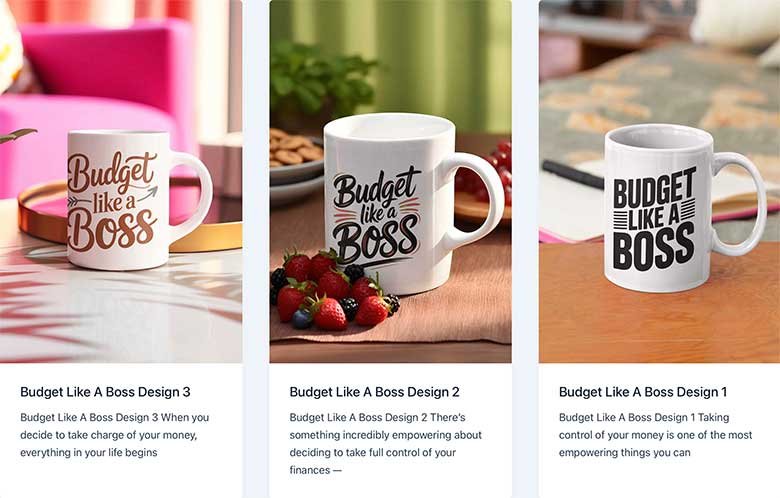
Fill Your Space With Calm, Mindful Reminders
Premier Print Works makes quality prints, mugs, and shirts for people who shop with intention. Browse the collection and find what speaks to you today.
Visit Premier Print WorksDisclaimer
The content on this page is for informational and inspirational purposes only. It is not professional financial, investment, tax, legal, insurance, or estate planning advice. The tactics described are general examples, and stores and websites differ. The numbers in the examples are made up to show the idea. Prices, fees, interest, and account terms for store cards and payment plans vary and change, so please read the details before signing up. Results vary widely from person to person.
I am not a financial advisor, and I am not a licensed tax, legal, or investment professional. I share this information to help people learn about money and see new options. Please treat it as general information only, and talk with a qualified professional about your own situation before making financial decisions.
The stories of Kezia and Daniel are illustrative composite characters created to bring the content to life. They are not real people. Any resemblance to a real person is purely coincidental.
Some links on this page, including links to Premier Print Works and other resources, are affiliate links. If you make a purchase through one of these links, we may earn a small commission at no extra cost to you. We do not own, produce, or control any affiliate products, and we are not responsible for them — we only own and sell the products offered through our own store, Premier Print Works.
All content on A Self Help Hub is the property of Digital Marketing 215 LLC and is protected by copyright law. No part of this page may be copied, reproduced, republished, distributed, or transmitted in any form without prior written permission from the author.