Letters for Small Nonprofits: Honest Help With Fundraising Drafts and Careful Facts
Small nonprofits do big work with very few hands. The same three volunteers might run the food drive, answer the phone, and try to write the year-end appeal at the kitchen table after everyone else goes home.
Helping with nonprofit fundraising letters can be a kind, useful service, whether paid or volunteer. An AI writing tool might suggest a first draft or a warmer way to say thank you. Every fact, number, and story still comes from the nonprofit, and careful checking keeps the letter honest.
This guide shares general ideas and information, not advice or legal or tax guidance. It looks at gathering facts, telling true stories, tone, privacy, pricing, and honesty about your process. Take it one step at a time and let the nonprofit lead.

Plan Your Writing Help With Care
Download the free Money Reset Workbook and get simple pages to plan your time and track any income.
Get the Free WorkbookLearn what small nonprofits often need
Many small groups send a few kinds of letters. Appeal letters ask for support. Thank-you notes follow a gift. Short updates tell supporters what their help made possible.
Staff and volunteers often know their mission by heart and still find the writing hard. A helper who listens well and drafts clearly can lighten that load.
Asking a director which letter feels most overdue is a gentle first question. For related reading, see starting a side hustle while working full time.
Write down two small nonprofits near you and the kinds of letters they might send.
Get every fact and number from the nonprofit
How many families were served, how much a program costs, and what a goal amount is all come from the nonprofit. They confirm each one in writing before the letter goes out.
A short fact sheet works well. It might list the mission in one sentence, a few confirmed numbers, the goal, and the name and title of the person signing the letter.
A tool is never the source of a number, a name, or a result. If a fact is missing, asking the nonprofit is the only honest path.
Make a fact sheet template with spaces for mission, confirmed numbers, goal, and signer.
Keep a Small Reminder in Plain Sight
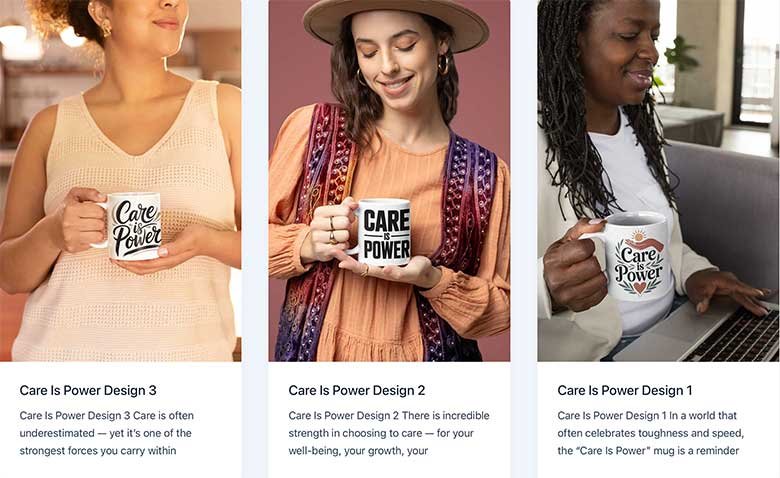
Premier Print Works creates quality prints, mugs, and shirts for thoughtful, thrifty people. Find a small reminder of what you are working toward.
Visit Premier Print WorksShare true stories only, and only with permission
Stories move readers, and they also carry real responsibility. Every story in a letter is real and comes from the nonprofit. The person in the story, or the right family member, agrees to have it shared.
Changing a name or a detail to protect someone is the nonprofit’s choice, and many groups say so in the letter. A tool might invent a touching story that never happened, so any made-up person or event is removed.
Keeping stories simple and respectful protects the people the nonprofit serves.
Ask the nonprofit for one true story they have permission to share.
“A letter earns trust one true sentence at a time.”
Draft with a tool, then hunt for invented details
A tool can help shape a rough draft from your fact sheet. It can also add numbers you never gave, round figures up, or mix up program names. These errors can sound very convincing.
Reading the draft side by side with the fact sheet, sentence by sentence, catches most of them. Some helpers highlight every number and name, then tick each one off once it matches.
A second reader from the nonprofit gives one more layer of care.
Highlight every number and name in your next draft and check each one against the fact sheet.

Track Hours, Fees, and Volunteer Time
The free Money Reset Workbook gives you clear pages to record jobs and what you earn.
Get the Free WorkbookKeep the tone warm and honest, never pushy
Supporters respond to sincerity. Guilt, pressure, and false deadlines can damage trust in a small group that depends on its community.
Honest wording avoids promising results a gift cannot guarantee. Saying “Your gift helps us keep the pantry open on Saturdays,” when that is true, is clearer than a sweeping claim about ending a problem.
Thanking readers for past support, even if they cannot give now, keeps the door open in a kind way.
Rewrite one pushy sentence into a warm, honest one.
Leave tax and legal wording to the nonprofit
Letters and receipts sometimes mention whether a gift may be tax deductible. Those rules vary and change, and they depend on the nonprofit’s status and the donor’s situation. The nonprofit, with its own tax professional, decides any such wording.
Rules about how groups ask for money can also vary by place. A helper does not need to know them all. Pointing questions back to the nonprofit’s leaders is enough.
Never guessing at legal or tax lines keeps both you and the group on safe ground.
Ask the nonprofit for any required wording and paste it in exactly as given.
Protect donor and client privacy
Donor names, gift amounts, addresses, and the private details of people served are sensitive. Tool rules about typed text vary and may change, so many helpers keep all of it out of any tool.
Drafting with placeholders such as “DONOR NAME” and letting the nonprofit fill in mail-merge details keeps things cleaner. Account numbers, passwords, Social Security numbers, and health information never go into a tool.
Asking the director what may and may not be shared sets clear limits from the start.
Write down the placeholder words you will use instead of real donor and client names.
Agree on a fair price or a clear volunteer role
Some people give their writing time as a gift. Others charge a modest flat fee agreed in advance. The nonprofit may have its own rules about paying outside helpers, so asking first is wise.
Here is an example with made-up numbers. One appeal letter takes 1 hour to gather facts, 1 hour to draft, and 1.5 hours to review and fix. That is 3.5 hours. At $22 an hour, the job comes to $77.
Writing the price and the scope down helps everyone remember the deal. You may also like reasons to track every expense.
Estimate the full time for one letter and decide whether you will volunteer or charge.
Stay honest about your process and keep up with changes
A plain line like “I use a tool for early drafts, and I check every fact with you” keeps things open. Some nonprofits may prefer no tools, and that choice deserves respect.
Tools and their rules change, so checking current information every so often is part of the work. Side income may bring tax duties, and those vary by place. A tax professional or a local small business help office can explain what applies to you. For related reading, see online side hustles.
Income from this kind of help is never guaranteed, and no letter can promise any amount raised. Another place to look is having more than one income stream.
Write one honest sentence about how you work and share it with the next nonprofit you help.
Explore Our Top Picks for a Better Life
We have gathered the tools, resources, and products we think are genuinely worth your time, covering mindset, self-care, health, and home. All in one place, hand-picked to support the goals you are working toward.
See Our Top PicksReal Stories, Real Results
Let me share two examples I like to use. Kezia volunteered to help a tiny animal rescue with its holiday appeal. She used a tool to shape a draft from the director’s fact sheet, then caught a made-up number the tool had added. She told me that the director thanked her more for the careful checking than for the writing itself.
Daniel charged a small flat fee to help a community garden with thank-you notes. He kept donor names out of the tool and let the garden’s treasurer add them by hand. He said the group asked him back because they trusted how he handled their supporters. Both of them said the same thing: honest facts and gentle words did more good than any clever phrase.
Warm, Honest Letters That Help Good Work Continue
Picture a small nonprofit sending a letter that is true in every line, kind in tone, and easy to read. Supporters feel respected, and the staff feel proud to sign it.
Reach out to one small nonprofit and ask which letter feels most overdue. Download the free Money Reset Workbook to plan your time and track any income. Careful help can make a real difference.
Want Ready-Made Tools to Help You Put This Into Action?
Sometimes the fastest way forward is a tool that someone has already built. Browse our hand-picked resources and downloads, chosen to help you take the next step with less guesswork.
Browse Resources and Downloads
Ready to Help a Small Nonprofit?
The free Money Reset Workbook helps you see your numbers clearly, so helping others fits your own budget.
Download Free Now
Fill Your Space With Things You Love
Premier Print Works makes quality prints, mugs, and shirts for people who plan ahead. Browse the collection and find what speaks to you today.
Visit Premier Print WorksDisclaimer
The content on this page is for informational and inspirational purposes only. It is not professional financial, investment, tax, legal, insurance, or estate planning advice. No letter can promise any amount raised. All facts, numbers, names, and stories in any letter come from the nonprofit and are confirmed by them. Rules about fundraising, donation receipts, tax deductions, and paying outside helpers vary by place and change, so please check current information and talk with the nonprofit’s leaders, a local small business help office, or a qualified professional. AI tools can make mistakes, so all work needs careful human review. The numbers in the example are made up. Prices, fees, and account terms vary and change. Income is not guaranteed, and results vary widely from person to person.
I am not a financial advisor, and I am not a licensed tax, legal, or investment professional. I share this information to help people learn about money and see new options. Please treat it as general information only, and talk with a qualified professional about your own situation before making financial decisions.
The stories of Kezia and Daniel are illustrative composite characters created to bring the content to life. They are not real people. Any resemblance to a real person is purely coincidental.
Some links on this page, including links to Premier Print Works and other resources, are affiliate links. If you make a purchase through one of these links, we may earn a small commission at no extra cost to you. We do not own, produce, or control any affiliate products, and we are not responsible for them — we only own and sell the products offered through our own store, Premier Print Works.
All content on A Self Help Hub is the property of Digital Marketing 215 LLC and is protected by copyright law. No part of this page may be copied, reproduced, republished, distributed, or transmitted in any form without prior written permission from the author.