Break-Even Math: Is It Worth Buying, Renting, or Subscribing?
Many money choices come down to one number. How many uses does it take before buying something costs less than renting it? That number is called the break-even point. Below it, renting or paying per use costs less. Above it, owning costs less.
Break-even math is a simple way to find that point with a pencil and a few numbers. It works for tools, gear, memberships, and subscriptions. A subscription is a plan where you pay a set amount each week, month, or year for ongoing access. The math is mostly simple division, and every step can be checked.
This guide shares general information and walks through made-up examples, one choice at a time. It is not advice, and it will not tell you what to buy, rent, or sign up for. Real prices, rental terms, and plan rules vary a lot. You might start with one item you already wonder about and go one step at a time.

Find Your Break-Even Number Before You Buy
Download the free Money Reset Workbook and get a simple place to compare buying, renting, and subscribing with your own numbers.
Get the Free WorkbookKnow what the break-even point means
The break-even point is the spot where two options cost exactly the same. Before that spot, one option costs less. After it, the other one does. Finding it turns a fuzzy question into a clear number.
Here is a made-up example. Renting a carpet cleaner costs $30 a day. Buying one costs $150. Divide $150 by $30, and you get 5. After 5 rentals, you would have paid $150, the same as buying. Five times $30 is $150.
So if you would use it fewer than 5 times, renting costs less in this example. If you would use it more than 5 times, buying costs less, before counting any other costs.
Pick one item you rent, borrow, or pay for by the use, and write down both prices.
Find the upfront cost and the per-use cost
Most break-even questions have two kinds of cost. The upfront cost is what you pay once, at the start, to own something. The per-use cost is what you pay each time you use it, such as a rental fee or a ticket.
A simple formula works for many cases. Divide the upfront cost by the money you keep each time you use the item you own. The answer is the number of uses it takes to break even.
In a made-up example, a bike costs $240 to buy. Renting a bike costs $8 a ride. Divide 240 by 8, and you get 30. In this example, owning starts to cost less after 30 rides.
Write the upfront cost and the per-use cost side by side for one choice you are weighing.

Keep a Reminder to Do the Math First
Premier Print Works creates quality prints, mugs, and shirts for people who like to run the numbers. Find a small reminder for your desk or workshop.
Visit Premier Print WorksBe honest about how often you will use it
The break-even number only means something next to a real guess about use. Many people picture using a new item far more than they end up doing. A calm, honest estimate keeps the math useful.
Go back to the made-up carpet cleaner, with its break-even point of 5 uses. If you would use it twice a year, reaching 5 uses would take about two and a half years. Five divided by 2 is 2.5. If you would use it every month, you would reach 5 uses in five months.
Looking at past habits can help. How often did you rent or borrow this kind of thing before? For related reading, see questions to ask before a big purchase.
Write down how many times you really used something similar in the past.
“A pencil and a few honest numbers can turn a nagging maybe into a calm decision.”
Add the hidden costs of owning
Owning often comes with extra costs. Fuel, parts, upkeep, storage space, and repairs can all add up. These change the break-even point, so it helps to include them.
Here is a made-up example. Buying a lawn mower costs $300, and each use costs about $10 in fuel and upkeep. Renting a mower for the day costs $40. Each use of your own mower keeps $40 minus $10, or $30. Now divide 300 by 30, and you get 10 uses.
You can check it. After 10 uses, owning costs $300 plus $100, or $400. Renting 10 times costs 10 times $40, which is also $400. The two match, so 10 uses is the break-even point.
List the extra costs of owning one item, such as fuel, parts, or storage.

Compare Your Options on One Page
The free Money Reset Workbook gives you clear pages to list upfront costs, per-use costs, and how often you really use things.
Get the Free WorkbookAdd the hidden costs of renting
Renting has its own extras. There can be deposits, late fees, damage charges, and the time spent picking up and returning the item. The item may also be booked when you want it.
These costs vary by provider and place. A rental agreement usually lists them, and the provider’s customer service line can explain anything that seems unclear.
A trip across town to pick up and return a rental also uses time and fuel. Some people add a few dollars to each rental in their math to cover that hassle.
Read the terms of one rental you use and note any extra fees it lists.
Run the math on subscriptions
Subscriptions can be checked the same way. You compare the plan price with what you would pay one use at a time. Here is a made-up example. A video plan costs $12 a month. Renting single movies costs $4 each. Divide 12 by 4, and you get 3.
So in this example, if you watch more than 3 movies a month, the plan costs less per movie. If you watch fewer than 3, paying per movie costs less.
The same math works for monthly versus yearly plans. Say a plan costs $10 a month or $96 for a full year, paid upfront. Twelve months at $10 adds up to $120, so the yearly plan saves $24 if you keep it all year. Divide 96 by 10, and you get 9.6. In this example, no money comes back if you stop the yearly plan early. So if you might stop before about 10 months, paying monthly could cost less. You may also like comparing home internet plans.
Divide one subscription’s price by what you would pay per use, and compare it with how often you use it.
Count what you might get back by selling
Owned items can sometimes be sold later. Money you get back lowers the true cost of owning. Resale is never a sure thing, so it helps to use a cautious guess.
Back to the made-up bike. It costs $240, and you think you could sell it later for $90. The true cost is then $240 minus $90, or $150. Divide 150 by 8, and you get 18.75.
That means owning costs less once you reach 19 rides. You can check it. Eighteen rentals cost $144, which is less than $150. Nineteen rentals cost $152, which is more.
Look up what similar used items sell for and write down a careful guess.
Consider sharing or borrowing
Buying and renting are not the only choices. Some neighbors or family members share large items. Some communities lend tools or gear. These options change the math too.
Here is a made-up example. Two households split a $150 carpet cleaner, so each pays $75. Renting costs $30 a use. Divide 75 by 30, and you get 2.5. Two rentals cost $60, which is less than $75. Three rentals cost $90, which is more. So for each household, owning a share costs less once it reaches a third use.
Sharing works best with clear plans about who stores the item and who pays for repairs. Another place to look is buying in bulk.
Think of one item you could share with a neighbor or relative, and run the split math.
Leave room for things the math cannot count
Numbers can show the break-even point, but they leave some things out. Owning can mean less hassle and use any time. Renting can mean less clutter and no repairs. Some people simply enjoy owning a good tool.
These feelings count. A choice that costs a little more might still fit your life better. The math simply makes the trade easy to see.
For related reading, see a price comparison habit.
Write one reason, beyond money, that matters to you for the choice you are weighing.
Write a simple break-even note before you decide
A short note can hold all the numbers in one place. You might list the item, the upfront cost, the per-use cost, extra costs, a resale guess, and how often you expect to use it. Then add the break-even number at the bottom.
Seeing it all on one page can make the choice calmer. If a number is only a guess, you might mark it with a question mark. You can update the note as you learn more.
Make a one-page break-even note for the next item you are thinking about buying or renting.
Explore Our Top Picks for a Better Life
We have gathered the tools, resources, and products we think are genuinely worth your time, covering mindset, self-care, health, and home. All in one place, hand-picked to support the goals you are working toward.
See Our Top PicksReal Stories, Real Results
Let me share two examples I like to use. Amara rented a carpet cleaner every few months for a busy home with two dogs. She wrote down the rental cost, the price of buying one, and how often she rented it. The numbers showed she had passed the break-even point a while back. She told me that buying one made sense for her household, and seeing the math made the choice feel easy.
Joel was about to buy a tile saw for a single bathroom project. He ran the numbers and saw it would take several projects to break even, and he had no others planned. He rented one for the weekend. Both of them said the same thing: a few minutes with a pencil can show which choice fits your own life.
A Few Simple Numbers Can Make Buy-or-Rent Choices Calm
Picture standing in a store aisle, or looking at a sign-up page, and feeling no pressure at all. You already know your break-even number and how often you will use the item. You choose with confidence, and the choice matches your real life.
You might begin with one item you rent or one plan you pay for. Download the free Money Reset Workbook to keep your numbers and notes together. Every honest number makes the next choice a little clearer.
Want Ready-Made Tools to Help You Put This Into Action?
Sometimes the fastest way forward is a tool that someone has already built. Browse our hand-picked resources and downloads, chosen to help you take the next step with less guesswork.
Browse Resources and Downloads
Ready to Make Your Next Buy-or-Rent Choice With Confidence?
The free Money Reset Workbook helps you see your numbers side by side, so every choice fits your real life.
Download Free Now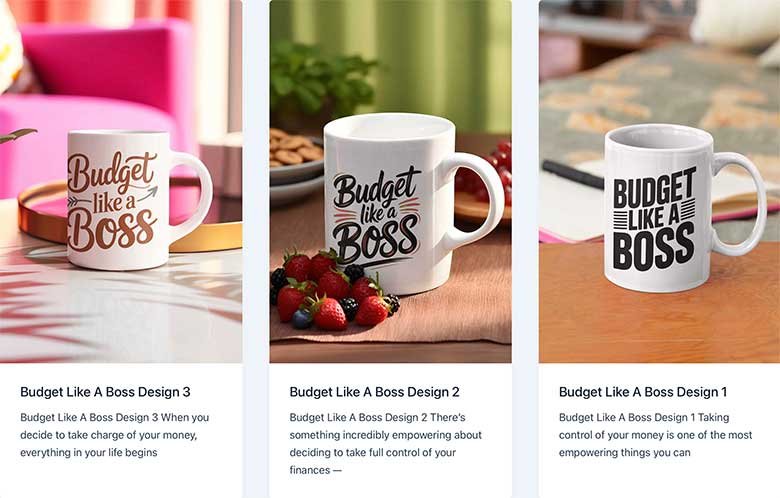
Fill Your Space With a Plan That Adds Up
Premier Print Works makes quality prints, mugs, and shirts for people who think before they buy. Browse the collection and find what speaks to you.
Visit Premier Print WorksDisclaimer
The content on this page is for informational and inspirational purposes only. It is not professional financial, investment, tax, legal, insurance, or estate planning advice. The numbers in the examples are made up to show how the math works, and your own prices and use will differ. Rental terms, deposits, late fees, subscription rules, and resale values vary by provider and place, so the agreement itself or the provider’s customer service line can explain what applies. Please follow the manufacturer’s instructions and safety guidance for any tool or equipment. Prices, fees, and account terms vary and change. Results vary widely from person to person.
I am not a financial advisor, and I am not a licensed tax, legal, or investment professional. I share this information to help people learn about money and see new options. Please treat it as general information only, and talk with a qualified professional about your own situation before making financial decisions.
The stories of Amara and Joel are illustrative composite characters created to bring the content to life. They are not real people. Any resemblance to a real person is purely coincidental.
Some links on this page, including links to Premier Print Works and other resources, are affiliate links. If you make a purchase through one of these links, we may earn a small commission at no extra cost to you. We do not own, produce, or control any affiliate products, and we are not responsible for them — we only own and sell the products offered through our own store, Premier Print Works.
All content on A Self Help Hub is the property of Digital Marketing 215 LLC and is protected by copyright law. No part of this page may be copied, reproduced, republished, distributed, or transmitted in any form without prior written permission from the author.