13 Self Care Ideas That Help You Create More Peace
The peace that holds through the difficult day is not the absence of difficulty or the arrival at the circumstances so favorable that the peace requires no cultivation to maintain. It is the specific, cultivated inner state that the right self-care practices build from the inside out: the grounded, nourished, genuinely present inner life that can hold the difficulty without being defined by it and can return to the settled baseline that the well-tended inner life makes available even after the disruption that the untended inner life has no baseline to return to.
These 13 self care ideas are chosen specifically for the peace-creating quality they produce: the practices that most reliably build and sustain the inner state that the more peaceful daily experience is built from. Each one is followed by the reflection on how this specific self-care practice most directly creates the more peace it is offered in the service of. Read them with the current season in mind. The two or three that most specifically name what the inner life most needs right now are the ones most worth beginning with today.
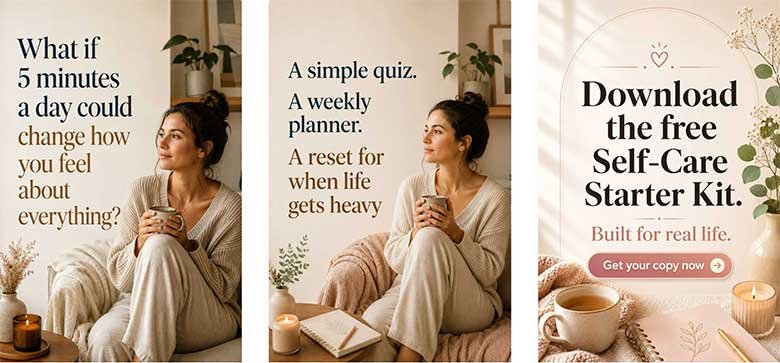
Free Download: The Self-Care Starter Kit
Creating more peace starts with the right daily self-care practices consistently maintained. The free Self-Care Starter Kit gives you simple daily practices that build the grounded inner foundation from which the more peaceful daily life these self care ideas are designed to produce grows most naturally. Download it free today.
Get the Free Self-Care Starter Kit1. Protect the morning before the world has access to it.
“The peace that holds through the difficult day is not the absence of difficulty. It is the specific, cultivated inner state that the right self-care practices build from the inside out: the grounded, nourished, genuinely present inner life that can hold the difficulty without being defined by it.”
The self-care idea that most consistently creates more peace for the widest range of people across the widest range of daily circumstances is the one that requires the smallest time investment and produces the most immediate return: the protected morning. The fifteen to thirty minutes before the phone is opened and before the world’s demands have arrived to set the emotional tone of the day from the outside is the self-care practice that most directly determines the inner baseline from which the rest of the day is experienced. The peace built in the protected morning, through the quiet, the intention, the gentle movement, the grounding practice of the choice, arrives as the baseline that the incoming demands of the day disrupt rather than the disrupted state that no protected morning produced. Protect the morning. The peace built before the day begins is the peace that holds through it.
2. Move the body daily in the way that produces restoration rather than depletion.
The daily physical movement that produces the more peace is not the intense training session that demands the additional recovery. It is the specific, moderate, daily movement that discharges the physiological stress response, elevates the mood-regulating neurochemicals, and produces the specific quality of the inhabited body, the at-home-in-the-physical-self feeling, that the sedentary daily life consistently fails to provide. The walk in the natural light. The gentle yoga practice. The slow morning stretch. The swim. The dance in the kitchen. Each is the self-care idea that uses the body’s movement as the direct pathway to the more peaceful inner state: the cortisol reduced, the endorphin elevated, and the nervous system moved from the activated toward the regulated by the specific physical movement that makes the physiological return to the settled possible. Move daily. The body is the most direct available pathway to the peace being sought.
3. Create the daily solitude practice that allows the genuine inner voice to be heard.
“The daily physical movement that produces more peace is the specific, moderate, daily movement that discharges the physiological stress response, elevates the mood-regulating neurochemicals, and produces the inhabited-body feeling the sedentary daily life fails to provide. Move daily. The body is the most direct pathway to the peace being sought.”
The inner life that cannot be heard through the perpetual noise and the perpetual social performance and the perpetual incoming stimulation of the connected daily life cannot be genuinely known or tended through the examination that the hearing requires. The self-care idea of the daily solitude practice, the specific, protected period of the genuine quiet without the screen, the podcast, the music, the social engagement, and the incoming demand, is the peace-creating practice that creates the specific conditions in which the genuine inner voice is audible, the authentic response to the life being lived is accessible, and the self-knowledge that the more peaceful inner life grows from is available. The solitude is not the isolation. It is the daily quieting that gives the inner life the space it requires to be genuinely present to the person living it. Create the daily solitude. The peace available in the silence is not available anywhere else.

Visit Premier Print Works
Keep the reminders of the more peaceful daily life you are cultivating visible in your space. Premier Print Works offers prints, mugs, and art for people who are doing the daily self-care work of building genuine inner peace and want their environment to reflect and reinforce the calm and direction they are actively cultivating. Visit the shop today.
Visit Premier Print Works4. Build and maintain the boundaries that protect the energy the peace requires.
The self-care idea of the boundary is the one that most directly addresses the specific source of the peace drain that the consistently over-extended person experiences: the peace that is not available in the life that has said yes to everything and protected nothing cannot be found in the self-care practice that occupies the time that the over-commitment leaves after everything else has been accommodated. The boundary that protects the energy, the time, the emotional availability, and the personal space that the more peaceful inner life requires is not the self-protective unkindness. It is the honest management of the genuine capacity that makes the sustainable, genuinely present engagement with what matters most genuinely available. Build the boundaries that most directly address the specific over-extensions currently most draining the peace. Maintain them consistently. The peace available inside the protected life is the peace the over-extended life cannot reach.
5. Spend deliberate time in nature that is genuinely attended to rather than distracted through.
The restorative effect of the time in nature on the psychological state and the stress baseline is one of the most consistently replicated findings in the psychology of the wellbeing: the specific, genuinely attended time in the natural environment produces the measurable reduction in the cortisol, the measurable improvement in the mood, and the specific quality of the restored attention that the urban, screen-saturated environment depletes without the natural environment’s replenishment. The self-care idea is the deliberate, unplugged time in the natural environment that is genuinely attended to rather than distracted through: the park walk without the earbuds, the morning in the garden without the phone, the brief time under the sky with the attention on the sky rather than the screen. The nature must be attended to for the restoration to occur. Attend to it. The peace it produces is not available from the nature walked through while looking at the phone.
6. Nourish the body with the food and the rest that sustain the regulated nervous system the peace grows from.
“The specific, genuinely attended time in the natural environment produces the measurable reduction in the cortisol, the improvement in the mood, and the restored attention the urban, screen-saturated environment depletes. The nature must be attended to for the restoration to occur. Attend to it without the phone.”
The self-care idea of the body nourishment is the peace-creating practice that operates at the physiological foundation of the psychological state: the sleep-deprived nervous system is the nervous system most reactive to the ordinary stressor, most vulnerable to the anxiety, and most distant from the regulated baseline that the more peaceful experience of the daily life grows from. The adequately rested nervous system is the one most capable of the pause before the reactive response, the most available to the genuine present-moment engagement, and the most reliable platform for the inner peace that the dysregulated alternative cannot access. The food that sustains the stable blood glucose is the food that sustains the emotional stability that the more peaceful daily experience requires. Nourish the body as the peace-creating practice. The body is the ground the inner peace grows in.
7. Simplify the decision-making environment to reduce the daily decision fatigue.
The self-care idea of the simplification is the peace-creating practice that addresses the specific source of the daily depletion that the decision-saturated modern life most consistently produces: the accumulation of the small decisions across the day depletes the prefrontal cortex resources that the calm, deliberate response to the significant experiences requires, which produces the specific experience of the irritable, reactive afternoon in the person who has been spending the cognitive resources on the low-stakes decisions that the simplification could have eliminated. The simplified daily routine that removes the low-stakes recurring decision, the standardized morning routine, the meal plan that eliminates the daily dinner decision, the wardrobe simplified to the combinations that require no deliberation, reserves the decision-making capacity for the decisions that genuinely merit it. The less-depleted decision maker is the more peaceful person. Simplify the low-stakes decisions. The peace available from the preserved decision capacity is the peace the depleted version cannot access.
8. Cultivate the gratitude practice that redirects the attention toward what is genuinely present.
“The simplified daily routine that removes the low-stakes recurring decision reserves the decision-making capacity for the decisions that genuinely merit it. The less-depleted decision maker is the more peaceful person. Simplify the low-stakes decisions. The peace available from the preserved capacity is the peace the depleted version cannot access.”
The self-care idea of the deliberate gratitude practice, the specific, daily engagement with the honest acknowledgment of what is genuinely present and genuinely good in the current life, is the peace-creating practice that most directly counterbalances the negativity bias that the unconsidered mind defaults to: the specific attention to the absence, the difficulty, and the not-yet-arrived that the ungrateful mind most naturally produces as the ambient inner experience. The deliberate gratitude practice does not deny the difficulty. It redirects the proportion of the daily attention toward the genuine presence of what is good alongside the genuine presence of what is difficult. The redirected attention changes the quality of the inner experience: the more peaceful inner state is more available to the person who has genuinely noticed what is present than to the person whose attention is fully occupied by what is absent. Practice the gratitude specifically. The specific noticing is the specific peace.
9. Limit the information consumption that produces the anxiety without the actionability.
The self-care idea of the deliberate information limitation is the peace-creating practice that most directly addresses the specific anxiety that the modern information environment produces in the person who has not specifically managed the relationship to it: the news consumption that produces the chronic activation without the specific action that the activation is designed to motivate, the social media consumption that produces the comparison and the inadequacy and the outrage without the specific benefit that the time spent consuming it would justify from the peace-creating perspective, and the ambient information environment that keeps the nervous system in the low-level activation that prevents the settled state the peace grows from. Limit the information. Consume it intentionally and in the specific windows. Let the rest of the available daily time be available to the experiences, the practices, and the relationships that produce the peace rather than the anxiety that the unmanaged information environment most consistently produces.
10. Practice the forgiveness, of the self and the others, that releases the carried resentment.
“Limit the news and social media to specific intentional windows. Let the rest of the available daily time be available to the experiences and the relationships that produce the peace rather than the anxiety the unmanaged information environment most consistently produces in the person who has not specifically managed it.”
The self-care idea of the forgiveness practice is the peace-creating practice that most directly addresses the specific source of the chronic inner disturbance that the carried resentment, the unresolved grievance, and the self-directed judgment about the past produce in the person who has not released them: the peace that is not available in the inner life that is still running the grievance, rehearsing the injustice, or replaying the self-judgment about the past choice is the peace that the forgiveness makes available by releasing the carrying that the grievance was producing. The forgiveness is not the condoning of the harm or the erasing of the memory. It is the specific, deliberate releasing of the carried resentment from the position of the person who is tired of carrying it. The releasing is the self-care. The peace available from the released carrying is the peace that was unavailable inside the carrying.
11. Create the physical environment that supports the peaceful inner state being cultivated.
The self-care idea of the intentional environment design is the peace-creating practice that recognizes the specific influence of the physical environment on the inner state it contains: the cluttered, chaotic, over-stimulating physical environment produces the cluttered, chaotic, over-stimulated inner experience in the person living within it, while the simplified, ordered, genuinely pleasant physical environment produces the specific quality of the supported inner peace that the external chaos prevents. The self-care practice is the specific, deliberate attention to the physical environment in which the daily life is lived: the cleared surface, the natural light, the houseplant, the reduced visual clutter, the small beautiful thing that produces the genuine aesthetic pleasure. None of these requires the elaborate home renovation. Each produces the specific, accessible contribution to the more peaceful inner state from the physical environment that surrounds it. Tend the physical environment. The environment tends the inner state it contains.
12. Build the creative practice that produces the absorbed, present-moment engagement.
“Tend the physical environment. The cluttered, over-stimulating physical environment produces the cluttered, over-stimulated inner experience in the person living within it. The simplified, ordered environment produces the supported inner peace the external chaos prevents. The environment tends the inner state it contains.”
The self-care idea of the creative practice is the peace-creating practice that uses the absorbed, intrinsically motivated engagement with the creative activity as the specific access to the present-moment state that the peace most naturally inhabits. The writing, the drawing, the knitting, the cooking with attention, the gardening, the music: each is the specific activity that, practiced from the genuine engagement rather than the performance, produces the flow state of the complete absorption in the present activity that the ruminating, future-projecting, past-rehearsing mind cannot sustain from within the creative absorption. The creative practice is the specific access to the present moment that the more peaceful inner state is available from. Build the creative practice. The peace available in the absorbed present is the peace the unabsorbed mind most misses.
13. Tend the relationships that produce the genuine connection and limit the ones that consistently drain it.
The final self-care idea for creating more peace closes the list with the one that addresses the relational dimension of the inner peace: the specific quality of the relationships in the daily life most directly determines whether the social experience of the life is a consistent source of the restoration, the genuine connection, and the seen-and-valued quality, or the consistent source of the depletion, the performance, and the diminishment that the peace-depleting relationship produces. The self-care practice of the deliberate relational tending, the specific investment in the relationships that produce the genuine connection alongside the specific, honest reduction of the time and the energy given to the relationships that consistently produce the depletion, is the peace-creating practice that most directly addresses the relational dimension of the inner peace. Tend the relationships that genuinely nourish. Limit the time with those that consistently drain. The peace available in the well-tended relational environment is the peace the poorly tended one cannot produce.
How Amara and Kezia Each Found the Self-Care Idea That Finally Started Creating the More Peace They Had Been Seeking Without the Specific Practice That Produces It
Amara had been seeking the more peaceful inner life for two years through the aspiration and the intention without the specific self-care practice that aspiration and intention cannot substitute for. The self-care idea that finally produced the specific, measurable increase in the daily peace was the protected morning. She had been beginning each day from the reactive incoming: the phone opened before the intention had been set, the social media scrolled before the inner state had been tended, the emotional tone of the day set by the first incoming content rather than the deliberate orientation that the protected morning would have provided. The change was the specific protection of the first twenty minutes before the phone was opened: the quiet sitting, the three things written that she was genuinely grateful for, the one intention for the day named. The first week of the protected morning produced the daily experience of the beginning from the inside rather than the reactive, which was a qualitatively different experience of the daily life despite the external circumstances of the daily life being entirely unchanged. The peace had not come from the changed circumstances. It had come from the changed beginning. The beginning is now protected daily. The peace that the protected beginning builds is now the baseline the day disrupts rather than the aspiration the day prevents from arriving.
Kezia’s self-care idea for more peace was the information limitation. She had been consuming the news continuously throughout the day in the specific anxiety-producing pattern of the person who is monitoring the incoming information for the threat that the ongoing monitoring sustains the anxiety of potentially missing. The anxiety was not proportionate to the content of the news being consumed. It was proportionate to the mode of the consumption: the continuous monitoring that kept the nervous system in the low-level activation that prevented the settled state the peace requires. The specific change was the information consumption limited to two specific daily windows, the morning headline check and the evening brief, with the rest of the available daily time cleared of the news and the social media that had been occupying it. The specific quality of the mid-morning and the afternoon changed within the first week: the settled state that the continuous monitoring had been preventing was now available in the hours between the two information windows. The news had not become less anxiety-producing. The relationship to it had changed from the continuous monitoring to the specific, limited engagement that gave the nervous system the sustained periods between the information inputs in which the settlement that the peace grows from was genuinely available for the first time in two years of the continuous monitoring that had been preventing it.
The More Peace These 13 Self Care Ideas Are Creating Is the Specific, Cultivated Inner State That the Right Daily Practices Build From the Inside Out. These Ideas Are the Practices.
Creating more peace is built from the specific daily self-care practices that tend the inner life with the same consistency and the same genuine investment as the outer commitments of the daily life: the protected morning, the daily movement, the daily solitude, the maintained boundaries, the attended nature, the nourished body, the simplified decision environment, the deliberate gratitude, the limited information, the released resentment, the tended physical environment, the absorbed creative practice, and the well-tended relational life. These thirteen self-care ideas are the specific, practical, honest daily practices that build the more peaceful inner state from wherever the current starting point is.
Choose two or three of these ideas this week, the ones that most specifically address the dimension of the current inner life where the peace has been most absent. Practice them consistently for thirty days. Let the consistency build the inner state. Let the inner state produce the peace that the right daily self-care practices make genuinely and consistently available.
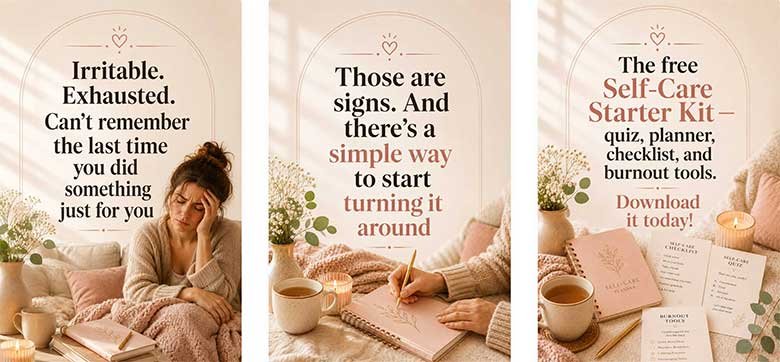
Free Download: The Self-Care Starter Kit
Let these self care ideas be the reminder that creating more peace starts with the right daily self-care practices consistently maintained. The free Self-Care Starter Kit gives you the simple daily practices that build the grounded inner foundation from which the more peaceful daily life grows. Download it free today.
Get the Free Self-Care Starter KitOur Top Picks for a Better Life
We have gathered our favorite tools, resources, and recommendations for people creating more inner peace through the right daily self-care practices, developing the consistent habits that build the grounded, nourished inner life, and creating the daily foundation from which the more peaceful experience of the actual daily life grows. Everything we trust enough to share, all in one place.
See Our Top Picks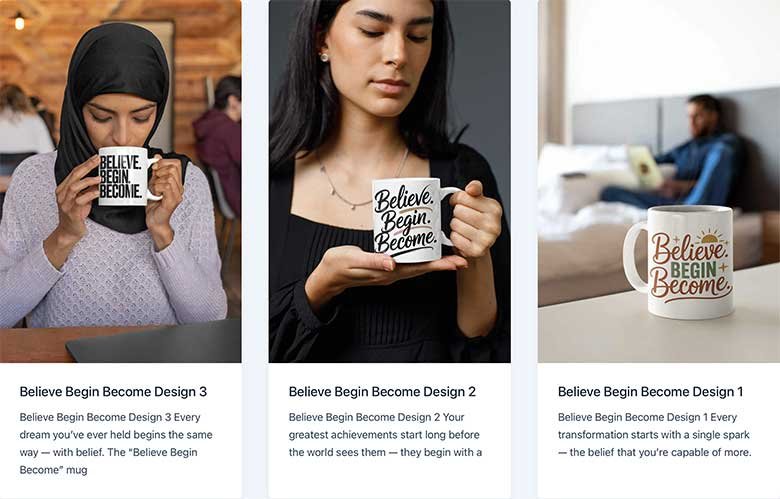
Inner Peace Reminders at Premier Print Works
Keep the reminders of the more peaceful daily life you are cultivating visible in your space. Visit Premier Print Works for prints, mugs, and art for people who are doing the daily self-care work of building genuine inner peace and want their environment to reflect and reinforce the calm and direction they are actively cultivating every day.
Visit Premier Print WorksDisclaimer
The content on A Self Help Hub is for informational and inspirational purposes only. The self care ideas and personal stories in this article offer general support for everyday wellness, personal development, and intentional living. They are not professional mental health advice, psychotherapy, medical advice, or any form of clinical treatment.
If you are dealing with significant anxiety, depression, trauma, grief, or other conditions affecting your daily wellbeing and inner peace, please speak with a qualified mental health professional. General self-help content is not a substitute for professional care.
The stories and composite characters in this article, including Amara and Kezia, are illustrative. They are based on common experiences and created to make the content relatable. They are not real people. Any resemblance to a specific person is coincidental.
Some links on this site, including links to Premier Print Works, may be affiliate links. A Self Help Hub may earn a small commission at no extra cost to you. We only recommend things we genuinely believe in.
If you are in a mental health crisis or thinking about self-harm, please do not rely on this content for support. Contact emergency services or a crisis helpline right away. You deserve real help and it is available to you now.
All content on A Self Help Hub is copyrighted. You may not copy or republish it without written permission. By reading this article you agree to this disclaimer.