How to Balance Discipline with Understanding
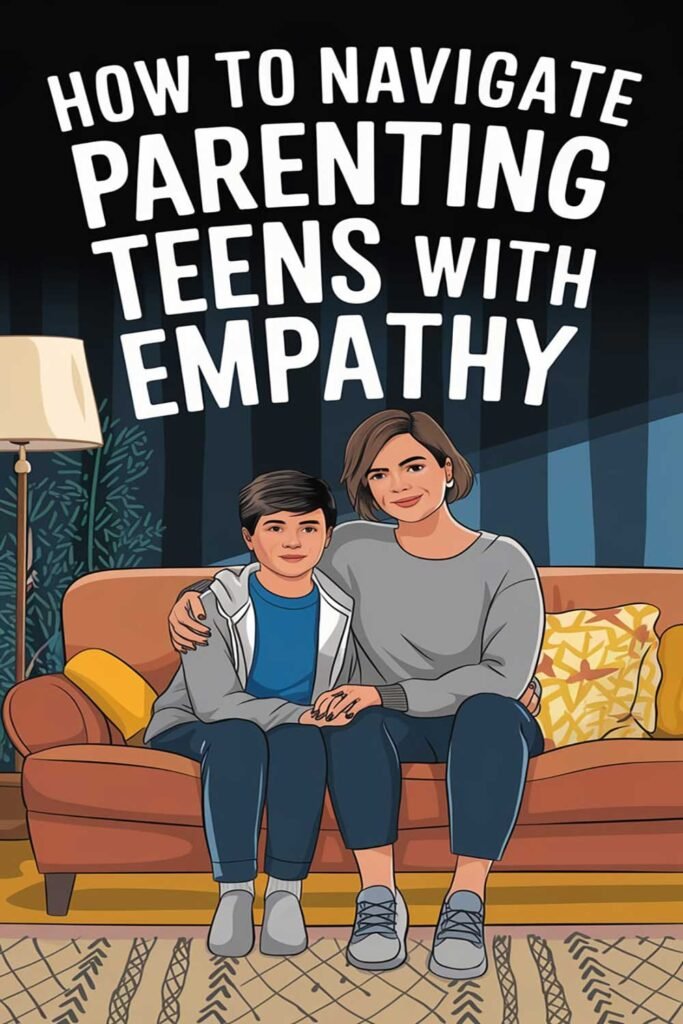
Discipline is a crucial part of parenting, helping children learn responsibility, self-control, and respect. However, discipline should be balanced with understanding, ensuring that children feel valued, supported, and heard. A parenting approach that blends structure with empathy fosters a strong parent-child relationship and promotes healthy emotional development.

Why Balance is Important
- Encourages Cooperation – Children are more likely to follow rules when they feel understood and respected.
- Builds Trust – When discipline is paired with understanding, children trust their parents to guide them rather than just punish them.
- Promotes Emotional Growth – Understanding emotions behind behavior helps children develop emotional intelligence and self-regulation.
- Reduces Fear-Based Compliance – Harsh discipline without understanding may result in obedience driven by fear rather than real learning.
Strategies to Balance Discipline with Understanding
1. Set Clear and Consistent Rules
- Children need structure and clear expectations to feel secure.
- Establish consistent rules and explain why they are important.
- Ensure rules are age-appropriate and reasonable.
2. Communicate Openly and Listen
- Encourage children to express their thoughts and emotions.
- Practice active listening to understand the reasons behind their actions.
- Validate their feelings while reinforcing behavioral expectations.
3. Use Positive Reinforcement
- Acknowledge and praise good behavior to encourage positive habits.
- Reinforce efforts rather than just results.
- Encourage self-motivation by helping children recognize their own progress.
4. Teach Problem-Solving Skills
- Instead of just punishing mistakes, help children understand the consequences of their actions.
- Guide them in brainstorming alternative choices they could make next time.
- Encourage accountability and responsibility in a supportive way.
5. Use Discipline as a Teaching Tool
- View discipline as a way to teach rather than control.
- Explain the reasons behind rules and consequences.
- Help children understand the impact of their actions on others.
6. Model the Behavior You Want to See
- Children learn by observing their parents’ behavior.
- Demonstrate patience, self-control, and respectful communication.
- Show how to handle frustration or conflict in a healthy way.
7. Allow Natural Consequences When Appropriate
- Instead of imposing strict punishments, let children experience the natural outcomes of their actions.
- For example, if they forget their homework, allow them to face the teacher’s response rather than rescuing them.
- This teaches responsibility and cause-and-effect thinking.
8. Be Compassionate but Firm
- Balance empathy with maintaining necessary boundaries.
- Acknowledge their feelings while reinforcing family rules.
- Offer comfort and guidance, but remain firm in expectations.
9. Encourage Emotional Regulation
- Teach children to recognize and manage their emotions constructively.
- Practice calming techniques such as deep breathing or taking a break before reacting.
- Help children understand that it’s okay to have emotions but not okay to act out harmfully.
10. Know When to Pick Your Battles
- Not every issue needs strict discipline—some behaviors may require guidance rather than punishment.
- Focus on important values rather than micromanaging every behavior.
- Be flexible and willing to adapt your approach based on the situation.
Inspirational Quotes on Discipline and Understanding
- “Discipline is not about punishment. It’s about teaching.” – Jane Nelsen
- “When little people are overwhelmed by big emotions, it’s our job to share our calm, not join their chaos.” – L.R. Knost
- “To be in your children’s memories tomorrow, you have to be in their lives today.” – Barbara Johnson
- “The way we talk to our children becomes their inner voice.” – Peggy O’Mara
- “Behind every young child who believes in themselves is a parent who believed first.” – Matthew Jacobson
- “Children must never work for our love, they must rest in it.” – Gordon Neufeld
- “Raise your words, not your voice. It is rain that grows flowers, not thunder.” – Rumi
- “We never know the love of a parent till we become parents ourselves.” – Henry Ward Beecher
- “A child seldom needs a good talking to as a good listening to.” – Robert Brault
- “If you want children to keep their feet on the ground, put some responsibility on their shoulders.” – Abigail Van Buren
Picture This
Imagine your child making a mistake, but instead of reacting with frustration, you take a deep breath and guide them through it. You help them understand the consequences of their actions while also assuring them that mistakes are opportunities to learn. Through your patience and support, they develop the confidence to navigate challenges and the responsibility to make better choices in the future. Your home becomes a place of growth, respect, and love, where discipline is not about punishment but about guiding them toward becoming their best selves.
Please Share This Article
If you found this article helpful, please share it with other parents, caregivers, or educators. A balanced approach to discipline fosters healthy, confident, and emotionally intelligent children.