Getting Paid: Invoices, Payment Apps, and Late Clients
The work was finished three weeks ago. The client said thank you, loved the result, and promised to pay soon. Your bank account is still waiting, and you are not sure how to bring it up without sounding pushy.
Getting paid is part of the job, and a little structure can make it much smoother. Learning how to invoice clients, which payment options to offer, and how to follow up kindly can help money arrive on time more often. It can also make the awkward moments less awkward.
This guide shares general ideas on invoices, payment methods, reminders, and what some people do when a client pays late. It is general information and not advice or legal guidance. Rules about late fees and collecting debts vary by place. Take it one step at a time and use what fits your work.

Keep Track of Every Invoice
Download the free Money Reset Workbook and get simple pages to track invoices, payments, and due dates.
Get the Free WorkbookAgree on payment terms before the work starts
The easiest time to talk about payment is before any work is done. Clear terms might include the price, when payment is due, how it can be paid, and what happens if it is late.
Writing these terms in a short agreement, email, or text gives both sides something to look back on. Many payment problems start with simple confusion, and clear terms can prevent that.
Write a short set of payment terms you can share with every new client.
Consider a deposit for larger jobs
Some side hustlers ask for part of the payment up front, especially for big jobs or jobs that need supplies. A deposit can cover early costs and shows that the client is committed.
Being clear about whether the deposit can be refunded, and when the rest is due, can prevent disagreements later.
Decide which of your jobs are large enough to ask for a deposit.

For People Who Do Great Work
Premier Print Works creates quality prints, mugs, and shirts for freelancers and side hustlers. Find a small reminder that your work has value.
Visit Premier Print WorksKnow what a simple invoice includes
An invoice is a bill that lists the work and the amount owed. A simple one might include your name and contact details, the client’s name, an invoice number, the date, a short description of the work, the amount, the due date, and how to pay.
Free templates in common word processing and spreadsheet programs can make this easy. A clear invoice can help clients pay faster because they have everything in one place.
Create one invoice template with all of these parts.
“Clear terms and kind reminders turn finished work into money in the bank.”
Send invoices right away
Sending the invoice as soon as the work is done keeps the job fresh in the client’s mind. Waiting a week or two can push payment further back.
Numbering every invoice and keeping a list of what was sent, when, and when it was paid can help you see what is still owed at a glance. For related reading, see money management for freelancers.
Start a simple list of every invoice with its number, amount, date sent, and date paid.

See What You Are Owed at a Glance
The free Money Reset Workbook gives you clear pages to record invoices and payments, so nothing slips through the cracks.
Get the Free WorkbookOffer payment options that are easy to use and safe
Clients may prefer different ways to pay, such as payment apps, bank transfers, card payments, checks, or cash. Offering a few easy options can remove excuses for delays.
Each method comes with its own fees, timing, and protections. Payment apps are fast, but some have rules about business use, and payments can sometimes be reversed. Checking that money truly arrived in your own account, not just a screenshot, is a simple habit.
List the payment methods you accept, the fee for each, and read each app’s business use page.
Send a friendly reminder when a payment is late
Many late payments happen because a client simply forgot. A short, kind reminder a day or two after the due date often solves it.
Something like this can work: Hi, just a friendly reminder that invoice 12 for $150 was due on Friday. Here is the payment link again. Thanks so much. Keeping the tone warm can protect the relationship.
Write a friendly first reminder message you can reuse.
Follow up with a clear schedule
If the first reminder does not work, a plan for follow ups can help. Some people send a second note a week later, then call after two weeks. Each message stays calm and clear.
Writing down each follow up and the date can help if the problem continues. It can also help you notice which clients often pay late.
Write down a follow up plan with dates for the second and third reminders.
Think about late fees and pausing work
Some people include a late fee in their agreement to encourage on time payment. Rules about late fees vary, and a fee is usually easier to enforce when it was agreed to before the work started.
For ongoing clients, some side hustlers pause new work until past invoices are paid. Being honest and kind about this can keep things professional. You may also like financial strategies for small business owners.
Decide whether you want a late fee policy and how you would explain it.
Know your options if a client never pays
When reminders do not work, some people offer a payment plan, which lets the client pay in smaller parts. Others decide the amount is too small to chase and let it go, while choosing not to work with that client again.
For larger amounts, small claims court is an option in many places. The rules and limits vary by state. A local legal aid office or a qualified attorney can explain what applies to you.
Write down the amount at which you would consider a payment plan or small claims court.
Build a cushion for slow payments
Even with great habits, some payments will be slow. A small cushion of savings can keep late payments from turning into late bills of your own.
Planning your budget around money that has arrived, not money you are still waiting for, can also help. Another place to look is a budget template for irregular income. See also budgeting around irregular paychecks.
Set a small goal for a cushion that could cover one slow paying month.
Explore Our Top Picks for a Better Life
We have gathered the tools, resources, and products we think are genuinely worth your time, covering mindset, self-care, health, and home. All in one place, hand-picked to support the goals you are working toward.
See Our Top PicksReal Stories, Real Results
Let me share two examples I like to use. Kezia did bookkeeping for a few small shops and often waited weeks to be paid. She started sending invoices the same day the work was done and added a clear due date. She told me that most clients began paying within a week, simply because the invoice was clear and on time.
Daniel had one client who was always late. He wrote a short policy saying new work would start once past invoices were paid, and he shared it kindly. He said that the client paid the next day and stayed on time after that. Both of them said the same thing: clear expectations made the money conversation much easier.
Finish the Work and Get Paid With Less Stress
Picture a side hustle where every client knows your terms, every invoice goes out on time, and reminders are calm and simple. Payments arrive more often when they should, and you have a cushion for the slow ones.
Start by creating one invoice template. That small tool can make every payment feel more organized.
Want Ready-Made Tools to Help You Put This Into Action?
Sometimes the fastest way forward is a tool that someone has already built. Browse our hand-picked resources and downloads, chosen to help you take the next step with less guesswork.
Browse Resources and Downloads
Ready to Get Paid With Less Stress?
The free Money Reset Workbook helps you track what comes in and when, so your budget rests on money that has arrived.
Download Free Now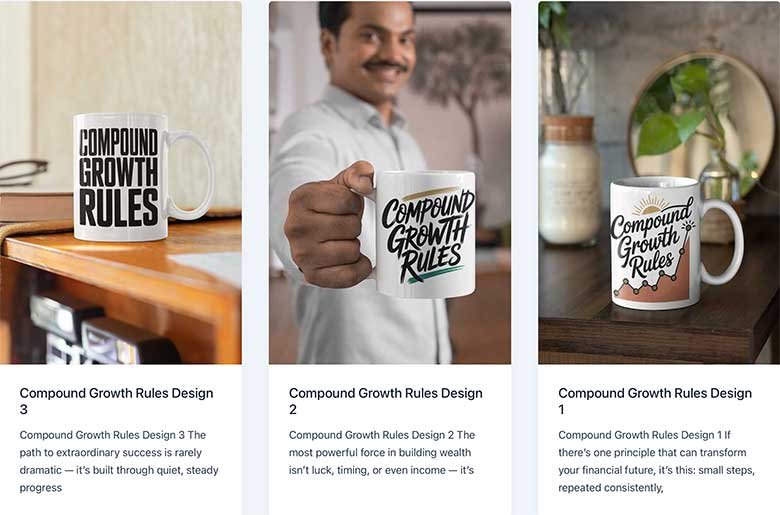
Celebrate Every Payment
Premier Print Works makes quality prints, mugs, and shirts for people who work hard for their money. Browse the collection today.
Visit Premier Print WorksDisclaimer
The content on this page is for informational and inspirational purposes only. It is not professional financial, investment, tax, legal, insurance, or estate planning advice. Rules about late fees, payment plans, small claims court, and debt collection vary by place and change over time, so please speak with a legal aid office or qualified attorney about your situation. Payment app terms, fees, and protections vary and change. Side income is not guaranteed, and results vary widely from person to person. The amounts in the example are made up.
I am not a financial advisor, and I am not a licensed tax, legal, or investment professional. I share this information to help people learn about money and see new options. Please treat it as general information only, and talk with a qualified professional about your own situation before making financial decisions.
The stories of Kezia and Daniel are illustrative composite characters created to bring the content to life. They are not real people. Any resemblance to a real person is purely coincidental.
Some links on this page, including links to Premier Print Works and other resources, are affiliate links. If you make a purchase through one of these links, we may earn a small commission at no extra cost to you. We do not own, produce, or control any affiliate products, and we are not responsible for them — we only own and sell the products offered through our own store, Premier Print Works.
All content on A Self Help Hub is the property of Digital Marketing 215 LLC and is protected by copyright law. No part of this page may be copied, reproduced, republished, distributed, or transmitted in any form without prior written permission from the author.