Saying No to Requests You Cannot Fill: Medical, Legal, and Financial Content
A new client sends a friendly message. They want twenty short articles telling readers which supplements cure joint pain, how to win a custody case, and which stocks to buy. The pay is good, and a tool could draft it all in an afternoon.
Saying no to clients can feel hard, especially when money is tight. Some requests, though, ask for content that only a licensed professional can safely give. A tool’s output is never professional advice, and passing it off as advice can hurt readers and create real problems for you.
This guide shares general ideas and example wording you might change, and it is not legal advice. Rules about who may give medical, legal, or financial advice vary by place. Take it one section at a time.

Plan Income Around Work You Trust
Download the free Money Reset Workbook and get simple pages to track income and goals.
Get the Free WorkbookKnow which requests need a licensed professional
Some topics can affect people’s health, freedom, or savings in serious ways. Diagnosing conditions, recommending treatments, telling someone what to do in a legal case, or telling someone what to invest in are common examples.
In many places, giving that kind of advice is limited to licensed professionals. The rules vary and can be complex, so this guide does not try to explain them.
If a request asks you to tell readers what to do about their health, a legal matter, or their money, that can be a sign to pause.
Write down three kinds of requests that would make you pause and think twice.
Remember that tool output is never advice
AI tools can produce text that sounds expert and sure of itself. They can also produce made-up facts, wrong numbers, and confident errors. In medical, legal, or money topics, those mistakes can cause real harm.
A smooth paragraph about medicine or law is still just a draft from a tool. Without a qualified professional’s review, it is not something readers can safely rely on.
Treating these topics with extra caution protects readers and protects your name.
Write one sentence reminding yourself why tool output is never professional advice.

Keep a Small Reminder in Plain Sight
Premier Print Works creates quality prints, mugs, and shirts for thoughtful, thrifty people. Find a small reminder of what you are working toward.
Visit Premier Print WorksSay no kindly and clearly
Turning down work does not have to be awkward. A short, warm reply can be enough. Here is sample wording you might change.
“Thank you for thinking of me. This project asks for medical recommendations, and that needs a licensed professional. I am not able to take it on, and I wish you the best with it.”
Being clear about the reason helps the client understand, and it avoids long back-and-forth. For related reading, see ideas for freelancers seeking clients.
Write your own kind, clear reply for turning down a request that needs a licensed professional.
“Every careful no is a quiet act of care for someone you will never meet.”
Offer what you can do instead
Sometimes there is a safe way to help. You might offer to edit content that a licensed professional has already written and approved. You might write general, non-advice pieces, such as how to prepare questions for a doctor’s visit.
Sample wording: “I cannot write treatment advice, but I could help edit articles your medical reviewer has approved, or write general pieces on preparing for appointments.”
Offering a safer option can keep a good client while protecting readers.
List two safer services you could offer when turning down a risky request.

See Your Freelance Income Clearly
The free Money Reset Workbook gives you clear pages to plan around steady, safer work.
Get the Free WorkbookNever help get around the rules
Some clients may suggest workarounds, like adding a small disclaimer to advice-style content or using a fake expert name. Those can still mislead readers and may break laws or platform rules.
Declining to help with workarounds protects everyone. It also keeps your work honest.
If you are unsure whether something crosses a line, an attorney can explain what applies in your area.
Write one sentence you could use if a client suggests a workaround.
Watch for warning signs in requests
Some requests sound harmless at first. Signs that a project may need a second look include words like cure, guaranteed results, best investment, or win your case. Requests to write as if you were a doctor, lawyer, or financial advisor are another sign.
Asking a few questions before accepting can help. “Will a licensed professional review this before it is published?” is a fair question.
If the answer is no, that can help you decide. You may also like freelance writing for beginners.
Make a short list of warning words to watch for in project requests.
Think about the money honestly
Turning down paid work can sting. It may help to think about the full picture. A risky project could lead to an account ban, a damaged name, or legal trouble that costs far more than the job pays.
Here is an example with made-up numbers. A risky project offers $300. A safer editing project offers $180. The safer project pays $120 less today, and it does not put your reputation or account at risk.
Income is never guaranteed, and safer work tends to be more sustainable over time. Another place to look is ways to earn online with simple skills.
Compare one risky offer with a safer option and write down what each could really cost you.
Write your limits into your profile and agreements
Stating your limits upfront can prevent many risky requests. A short line on your profile might say, “I do not write medical, legal, or financial advice.”
Including the same limit in your written agreements makes it clear from the start. Platform rules about these topics vary and change, so checking current rules helps too.
Clear limits often attract clients who respect them.
Add one line about your content limits to your profile or agreement template.
Stay steady when saying no feels hard
Saying no can bring worry about money or about disappointing someone. Those feelings are normal. If the pressure feels heavy, talking with a counselor or a trusted person can help.
Each careful no protects readers who might have trusted the words. That is meaningful work too.
Tools and rules change, so reviewing your limits now and then keeps them current. See also side hustle tips for using your skills.
Write one kind reminder to yourself for the next time saying no feels hard.
Explore Our Top Picks for a Better Life
We have gathered the tools, resources, and products we think are genuinely worth your time, covering mindset, self-care, health, and home. All in one place, hand-picked to support the goals you are working toward.
See Our Top PicksReal Stories, Real Results
Let me share two examples I like to use. Amara was offered good pay to write articles telling readers which herbs treat illnesses. She turned it down kindly and offered to edit articles a nurse had already approved. She told me that the client accepted the editing work, and she felt proud of the choice.
Joel added a line to his profile saying he does not write legal or investment advice. Fewer risky requests came in, and the ones that did were easy to decline. He said it made his work feel calmer. Both of them said the same thing: clear limits made saying no much easier.
Work You Can Stand Behind
Picture looking at every project you have taken on and knowing none of it put a reader at risk. Your limits are clear, your clients respect them, and your name is strong.
Write your content limits today. Download the free Money Reset Workbook to plan your income around safer work. Careful choices can build lasting trust.
Want Ready-Made Tools to Help You Put This Into Action?
Sometimes the fastest way forward is a tool that someone has already built. Browse our hand-picked resources and downloads, chosen to help you take the next step with less guesswork.
Browse Resources and Downloads
Ready to Work With Clear Limits?
The free Money Reset Workbook helps you see your money clearly, so careful choices fit your budget.
Download Free Now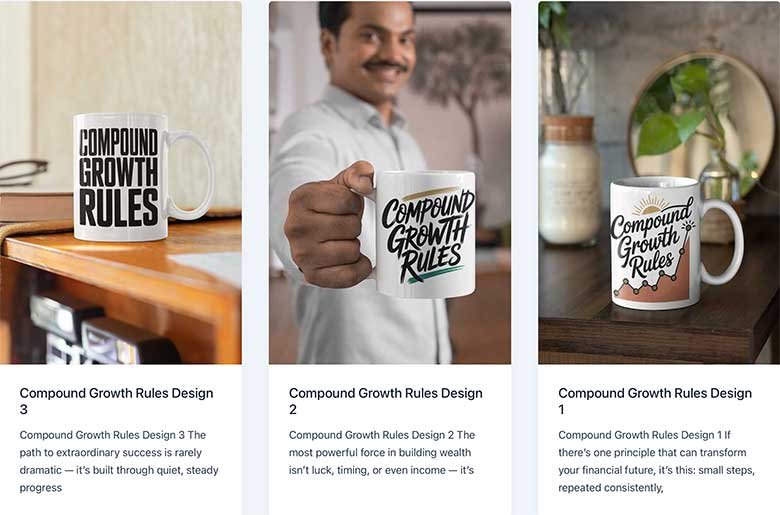
Fill Your Space With Things You Love
Premier Print Works makes quality prints, mugs, and shirts for people who plan ahead. Browse the collection and find what speaks to you today.
Visit Premier Print WorksDisclaimer
The content on this page is for informational and inspirational purposes only. It is not professional financial, investment, tax, legal, insurance, medical, or estate planning advice. AI tool output is never professional advice and can contain mistakes. Rules about who may give medical, legal, or financial advice vary by place and change over time, so please check current information and talk with a qualified professional. Example wording is for illustration only. The numbers in the example are made up. Prices, fees, and account terms vary and change. Income is not guaranteed, and results vary widely from person to person.
I am not a financial advisor, and I am not a licensed tax, legal, or investment professional. I share this information to help people learn about money and see new options. Please treat it as general information only, and talk with a qualified professional about your own situation before making financial decisions.
The stories of Amara and Joel are illustrative composite characters created to bring the content to life. They are not real people. Any resemblance to a real person is purely coincidental.
Some links on this page, including links to Premier Print Works and other resources, are affiliate links. If you make a purchase through one of these links, we may earn a small commission at no extra cost to you. We do not own, produce, or control any affiliate products, and we are not responsible for them — we only own and sell the products offered through our own store, Premier Print Works.
All content on A Self Help Hub is the property of Digital Marketing 215 LLC and is protected by copyright law. No part of this page may be copied, reproduced, republished, distributed, or transmitted in any form without prior written permission from the author.