Testing an AI Income Idea Cheaply: A Two-Week Trial Before You Spend Money
Spending money is the easy part of starting something new. Paid tools, a course, a website, and fancy templates can all be bought in one excited evening. Finding out whether the idea suits you is harder, and it usually costs nothing but a little time.
One way to test an AI income idea is to give it a short, low-cost trial before any real spending. Two weeks is long enough to try the work, see how long it takes, and notice whether anyone wants it. It is also short enough that stopping feels easy if it is not a fit.
This guide offers a sample two-week plan as general ideas only, and it is not advice or a promise of results. Feel free to stretch it, shrink it, or change the order. Take one day at a time.

Track Your Trial in Simple Pages
Download the free Money Reset Workbook and get pages to note your trial costs, time, and lessons alongside your budget.
Get the Free WorkbookDays 1 and 2: Write the idea in one plain sentence
Start by writing what you would offer, who it is for, and how a tool would help. For example, “I would tidy up menus for small cafés, using an AI writing tool for first drafts.” Keeping it to one sentence forces clarity.
Next, write what you want to learn from the trial. Maybe it is how long the work takes, whether you enjoy it, or whether anyone would pay.
Clear questions make the next twelve days more useful.
Write your idea in one sentence and list three questions the trial should answer.
Days 3 and 4: Set a spending limit of zero or close to it
Decide ahead of time what you will spend during the trial. Many people choose zero and use only free tools and materials they already have. Others allow a very small amount for something specific.
Writing the limit down helps you resist upgrades during the trial. If a free version falls short, that becomes useful information rather than a reason to buy. For related reading, see starting a side hustle with no money.
Free trials that need a card can turn into charges later, so a calendar reminder before any end date is a helpful habit.
Write your trial spending limit on paper and keep it where you will see it.
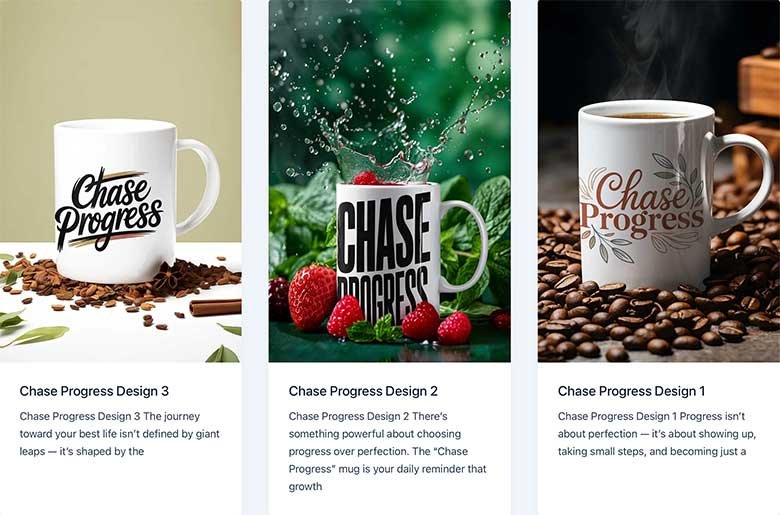
Keep a Small Reminder in Plain Sight
Premier Print Works creates quality prints, mugs, and shirts for thoughtful, thrifty people. Find a small reminder of what you are working toward.
Visit Premier Print WorksDays 5 to 7: Make one practice sample
Create one sample of the work, start to finish. If your idea is menus, make a made-up menu. If it is editing, edit a practice piece. Use a free tool if it helps, and review everything carefully.
Time every step, including the checking. AI tools can make mistakes, such as made-up facts and wrong numbers, so the review time is part of the real work.
Notice how you feel while doing it. Interest, boredom, and frustration are all useful signals.
Make one complete practice sample and write down the time each step took.
“Let the idea earn your trust before it earns any of your money.”
Days 8 and 9: Look at the numbers honestly
Use your times to work out what the job might pay per hour. Here is an example with made-up numbers. A menu job might sell for $50. Your sample took 2 hours of drafting and 1.5 hours of review and fixes, for 3.5 hours total.
That works out to about $14.29 an hour before any costs. You may get faster with practice, and you may not. Your own numbers will differ.
Seeing the math early can help you decide whether to keep going, change the price, or try a different idea. You may also like comparing side hustles by startup cost.
Divide a possible price by your total sample time to see the hourly amount.

Keep Your Trial Numbers in One Place
The free Money Reset Workbook gives you a clear page to record time, costs, and what you learned each week.
Get the Free WorkbookDays 10 and 11: Ask a few real people
Show your sample to two or three people who might use the service. Ask what they like, what they would change, and whether they would ever pay for something like it.
Listen more than you talk. Kind people may be polite, so questions about real past behavior can be more useful. For example, “Have you ever paid someone for something like this?”
Be honest that you used an AI tool for parts of the sample. Their reaction to that is useful information too.
Show your sample to two people and write down their exact words.
Day 12: Check the rules that would apply
Look up the current rules for any platform where you might offer the work. Read the terms of any tool you used about business use. Note anything unclear.
Rules about AI-assisted work, ownership, and disclosure differ by platform and place, and they change often. Checking current information now saves surprises later.
If questions come up about business rules, a local small business help office or a qualified professional can explain what applies.
Write down the rules you found and any questions you still have.
Day 13: Review what you learned
Go back to the three questions you wrote on day one. Answer each one in a few sentences. Add anything that surprised you.
Some people find the work fun and want to keep going. Others find it tedious or poorly paid. Both answers are wins, because you learned them without spending much. Another place to look is a short daily money check-in.
Feelings matter too. If the trial brought heavy stress, that is worth noticing.
Answer your three day-one questions in writing.
Day 14: Decide your next small step
Choose one of three paths. Keep going with another small trial, change the idea and test again, or stop and try something different. None of these is a failure.
If you keep going, you might set a new spending limit and a new set of questions. Small, steady steps protect your money and your energy. See also a monthly money goal tracker.
Any earnings that come later may have tax and record-keeping rules attached. A tax preparer can explain what fits your situation and where you live.
Write down your next step: continue, change, or stop.
Why a short trial protects your budget
Many people spend money before they know if an idea fits. A short, cheap trial flips that order. You learn first and spend later, if at all.
Income is never guaranteed, and many ideas earn little. A trial keeps the cost of learning that lesson small.
You can repeat this two-week plan for any idea, with or without AI tools.
Save this two-week plan so you can use it again for the next idea that catches your eye.
Explore Our Top Picks for a Better Life
We have gathered the tools, resources, and products we think are genuinely worth your time, covering mindset, self-care, health, and home. All in one place, hand-picked to support the goals you are working toward.
See Our Top PicksReal Stories, Real Results
Let me share two examples I like to use. Amara wanted to buy a paid tool and a course to start making printable planners. She ran a two-week trial with free tools first and timed her work. She told me that she loved the design part but disliked the selling part, and she was glad she learned that before spending anything.
Joel tested a simple editing service with two friends. They liked his work and one asked to pay for a second job. He said the small trial gave him real confidence to keep going slowly. Both of them said the same thing: learning first and spending later felt much safer.
Learning What Works Without Risking Your Budget
Picture finishing a two-week trial with clear answers. You know how long the work takes, how it feels, and whether people want it. You spent little or nothing to find out.
Pick one idea and start day one this week. Download the free Money Reset Workbook to track your trial and your budget. Small tests lead to wiser choices.
Want Ready-Made Tools to Help You Put This Into Action?
Sometimes the fastest way forward is a tool that someone has already built. Browse our hand-picked resources and downloads, chosen to help you take the next step with less guesswork.
Browse Resources and Downloads
Ready to Test Before You Spend?
The free Money Reset Workbook helps you see your numbers clearly, so any new idea starts on solid ground.
Download Free Now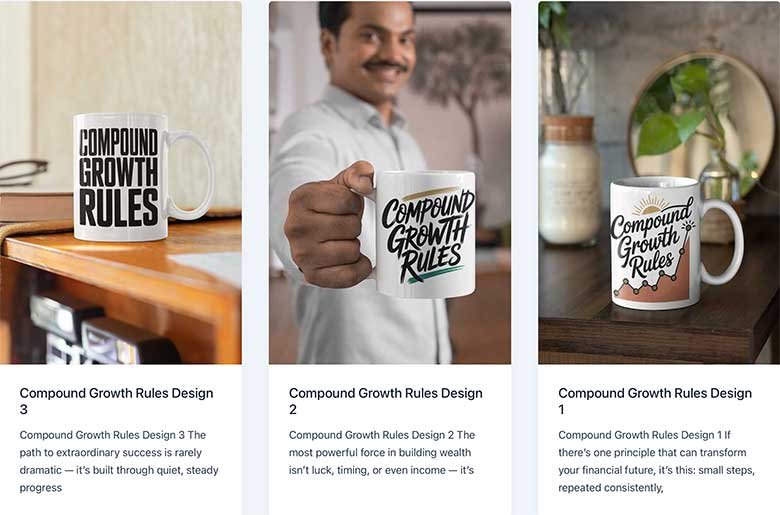
Fill Your Space With Things You Love
Premier Print Works makes quality prints, mugs, and shirts for people who plan ahead. Browse the collection and find what speaks to you today.
Visit Premier Print WorksDisclaimer
The content on this page is for informational and inspirational purposes only. It is not professional financial, investment, tax, legal, insurance, or estate planning advice. Income is not guaranteed, and the dollar and time figures are made-up examples. AI tools can make mistakes, so all work made with them needs human review. Tool terms, free trial rules, platform policies, prices, fees, and account terms vary and change, so please check current information and talk with a qualified professional. Results vary widely from person to person.
I am not a financial advisor, and I am not a licensed tax, legal, or investment professional. I share this information to help people learn about money and see new options. Please treat it as general information only, and talk with a qualified professional about your own situation before making financial decisions.
The stories of Amara and Joel are illustrative composite characters created to bring the content to life. They are not real people. Any resemblance to a real person is purely coincidental.
Some links on this page, including links to Premier Print Works and other resources, are affiliate links. If you make a purchase through one of these links, we may earn a small commission at no extra cost to you. We do not own, produce, or control any affiliate products, and we are not responsible for them — we only own and sell the products offered through our own store, Premier Print Works.
All content on A Self Help Hub is the property of Digital Marketing 215 LLC and is protected by copyright law. No part of this page may be copied, reproduced, republished, distributed, or transmitted in any form without prior written permission from the author.