Who Owns AI-Assisted Work? Plain-Language Questions to Ask Before You Sell It
You finish a set of printable wall art made with help from an AI image tool. The colors look great, the listing is ready, and your finger is over the publish button. Then a thought stops you. Is this actually yours to sell?
Who owns AI-assisted work is one of the least settled questions in this whole area. The answer can depend on the tool’s terms, the platform where you sell, the agreement with a client, and the laws where you live. Those pieces differ from place to place and keep changing.
This guide does not give legal answers, and it is not advice. It shares plain questions you might think about and points to where real answers can come from. Go one question at a time, and lean on a qualified professional when the stakes feel high.

Plan Your Product Costs Before You Sell
Download the free Money Reset Workbook and get simple pages to note product costs, time, and goals in one place.
Get the Free WorkbookWhy this question has no simple answer
Ownership rules for creative work were written long before these tools existed. Lawmakers, courts, and companies in many places are still working through how those rules apply.
That means a confident answer you read online may be outdated, incomplete, or simply wrong for your location. Even well-meaning sources can disagree.
Knowing that the topic is unsettled is a useful starting point. It invites care instead of guesswork.
Write down one place you have seen an ownership claim online, and note that it may not apply to you.
What do the tool’s terms say?
Each AI tool has its own terms of use. These may say who can use the results, whether business use is allowed, and what limits apply. Free and paid plans can have different terms.
Reading the current terms before selling anything is a calm first step. Terms can change, so saving a copy of the version you agreed to may help later.
If the wording is confusing, that is normal. A qualified professional can explain what it might mean for you.
Find the terms for one AI tool you use and look for any lines about business or commercial use.
Keep a Small Reminder in Plain Sight
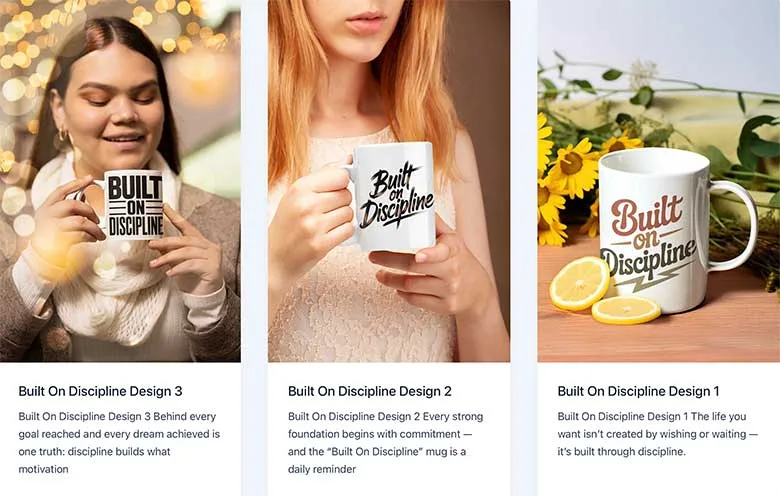
Premier Print Works creates quality prints, mugs, and shirts for thoughtful, thrifty people. Find a small reminder of what you are working toward.
Visit Premier Print WorksWhat does the selling platform allow?
Online marketplaces and selling sites set their own rules about AI-assisted items. Some ask sellers to label them. Some limit certain kinds. Some have no clear rule yet.
These rules differ and change, sometimes quickly. Checking each platform’s current policies before listing helps you avoid having items removed or an account limited. For related reading, see comparing side hustles by startup cost.
When rules are unclear, some people contact the platform’s help team and save the reply.
Look up the current AI policy for one platform where you might sell, and write down what it says.
“When the rules are still being written, careful questions are your best protection.”
Did you use anyone else’s work as a starting point?
If you gave a tool someone else’s photo, drawing, writing, or brand to work from, the result may raise extra concerns. Using other people’s work without permission can cause problems whether or not a tool was involved.
Asking a tool to copy a well-known character, logo, or artist’s style can also lead to trouble. Many people choose to start only from their own ideas and materials.
Original starting points tend to make questions easier later.
List the materials you gave a tool for one project and note whether each one was yours.

Keep Your Selling Plans Organized
The free Money Reset Workbook gives you a clear page to track the time and money you put into each product.
Get the Free WorkbookHow much of the work is your own?
In some places, the amount of human creative input may matter for ownership. Your own writing, editing, design choices, and arranging may count differently from what a tool produced alone.
Keeping simple notes on what you created and changed can be helpful. Drafts, sketches, and before-and-after versions all tell the story of your work.
Rules about this vary and are still forming, so these notes are a record, not a guarantee of anything.
Save drafts and notes for your next project that show what you created or changed yourself.
What does your client agreement say?
If you make something for a client, the agreement between you matters. It may say who owns the final work, whether AI tools are allowed, and what happens if a problem comes up.
Talking about AI use and ownership before starting can prevent awkward surprises. Writing the answers down helps both of you remember. You may also like money strategies for small business owners.
A qualified attorney can help with agreements when the work is valuable or the terms are unclear.
Write down three questions about ownership you would ask a client before starting a project.
Can you describe the product honestly to buyers?
Buyers deserve to know what they are getting. Honest descriptions of how a product was made build trust and may also be required by some platforms.
A simple line like “Designed with help from an AI image tool and finished by hand” may fit some listings. Adjust the wording to match what you really did.
Clear descriptions also reduce returns and complaints from buyers who expected something else.
Write one honest product description line about how an item was made.
What happens if someone copies your work?
Because ownership rules for AI-assisted work are unsettled, protecting it from copying may be harder in some places. That is worth knowing before you invest a lot of time or money.
Some people choose to sell work where their personal touch, service, or speed matters more than the file itself. Another place to look is creative ways people earn money.
A qualified professional can explain what options may exist where you live.
Write down how much time and money you would be comfortable risking on one AI-assisted product.
Where to turn for real answers
For questions about ownership, an attorney who works with copyright or intellectual property can explain what applies to your situation. Some areas have free or low-cost legal clinics for small businesses or creators.
A local small business help office may also point you to resources. Platform help teams can answer questions about their own rules. See also a plain look at passive income.
Tools and rules change often, so checking current information before each new product is a steady habit.
Look up whether your area has a free legal clinic or small business help office, and save the contact.
Explore Our Top Picks for a Better Life
We have gathered the tools, resources, and products we think are genuinely worth your time, covering mindset, self-care, health, and home. All in one place, hand-picked to support the goals you are working toward.
See Our Top PicksReal Stories, Real Results
Let me share two examples I like to use. Amara made a set of greeting card designs with help from an AI image tool. Before listing them, she read the tool’s terms and the platform’s rules and found she needed to label them. She told me that the extra hour of reading saved her from having her shop paused.
Joel was hired to make a logo and planned to use an AI tool. He talked with the client first, and they agreed he would sketch it by hand instead. He said the open talk made the project smoother. Both of them said the same thing: asking questions early made the whole process feel safer.
Selling With Confidence Because You Asked First
Picture listing a product and feeling calm about it. You read the tool terms, checked the platform rules, and described the item honestly. If questions come up, you know where to turn.
Choose one question from this guide and look into it this week. Download the free Money Reset Workbook to keep your costs and plans in one place. Careful steps protect your time and your name.
Want Ready-Made Tools to Help You Put This Into Action?
Sometimes the fastest way forward is a tool that someone has already built. Browse our hand-picked resources and downloads, chosen to help you take the next step with less guesswork.
Browse Resources and Downloads
Ready to Sell With a Clear Head?
The free Money Reset Workbook helps you see your numbers clearly, so every product plan rests on real information.
Download Free Now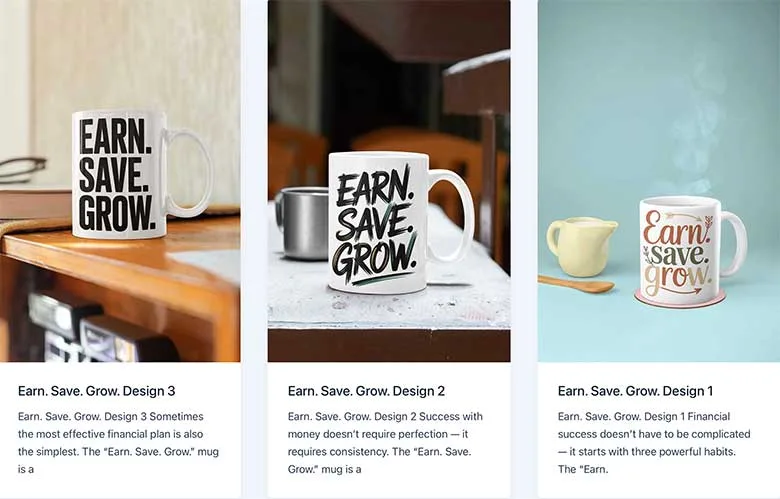
Fill Your Space With Things You Love
Premier Print Works makes quality prints, mugs, and shirts for people who plan ahead. Browse the collection and find what speaks to you today.
Visit Premier Print WorksDisclaimer
The content on this page is for informational and inspirational purposes only. It is not professional financial, investment, tax, legal, insurance, or estate planning advice, and it does not state any law or rule as fact. Ownership, copyright, platform policies, tool terms, prices, fees, and account terms vary by place and platform and change often, so please check current information and talk with a qualified attorney or professional about your situation. Income is not guaranteed. AI tools can make mistakes, so their work needs human review. Results vary widely from person to person.
I am not a financial advisor, and I am not a licensed tax, legal, or investment professional. I share this information to help people learn about money and see new options. Please treat it as general information only, and talk with a qualified professional about your own situation before making financial decisions.
The stories of Amara and Joel are illustrative composite characters created to bring the content to life. They are not real people. Any resemblance to a real person is purely coincidental.
Some links on this page, including links to Premier Print Works and other resources, are affiliate links. If you make a purchase through one of these links, we may earn a small commission at no extra cost to you. We do not own, produce, or control any affiliate products, and we are not responsible for them — we only own and sell the products offered through our own store, Premier Print Works.
All content on A Self Help Hub is the property of Digital Marketing 215 LLC and is protected by copyright law. No part of this page may be copied, reproduced, republished, distributed, or transmitted in any form without prior written permission from the author.