When AI Is Not the Right Tool: Choosing Plain Methods for Some Money Tasks
Is a pencil still a good money tool? For many everyday tasks, it is one of the best. A sheet of paper, a simple calculator, and a quiet table can handle a surprising amount of household money work without any software at all.
Knowing when not to use AI can be just as useful as knowing how to use it. Some money tasks involve private details, simple math, or personal choices where a tool adds risk or confusion. In those moments, a plain method or a real person may be the calmer path.
This guide shares general ideas about choosing plain methods, and it is not advice or instructions. Every household is different. Read one section at a time and decide for yourself which tasks feel right with or without tools.

Try a Plain, Calm Way to Plan Your Money
Download the free Money Reset Workbook and get simple printable pages you can fill in by hand.
Get the Free WorkbookYour own budget can live on paper
A budget is simply a plan for your money. Many people find that writing it by hand helps them feel closer to the numbers. They notice where money goes in a way that typing into a tool may not provide.
A plain sheet with income at the top and costs below can be enough. Adding it up by hand or with a calculator keeps the math in your control. For related reading, see a simple look at zero-based budgets.
There is no single right method. Paper is simply one calm option.
Try writing one month’s budget on paper and notice how it feels.
Private account details stay out of tools
Bank statements, card numbers, passwords, and account logins carry real risk. Tool rules about entered information vary and may change. No tool can be counted on to keep these details private.
For tasks that need these details, such as checking a statement or paying a bill, working directly with your bank’s own site or a paper copy may feel safer.
If you want help understanding a statement, a trusted person or your bank’s customer service can explain it.
Make a short list of money details you will keep out of any AI tool.
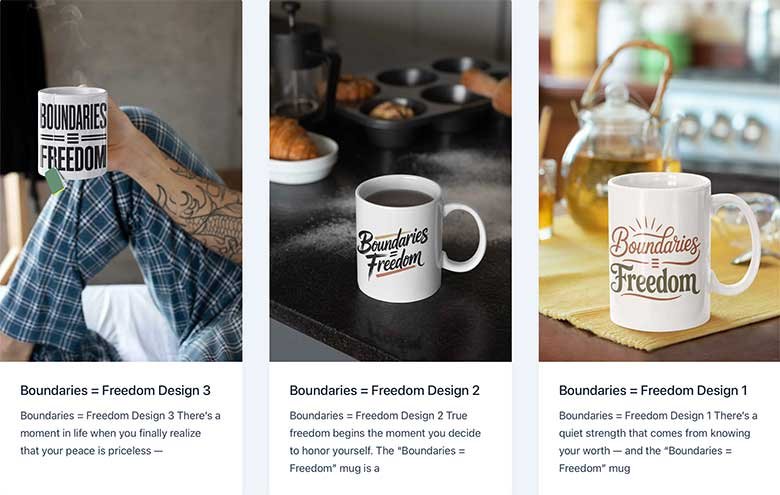
Keep a Small Reminder in Plain Sight
Premier Print Works creates quality prints, mugs, and shirts for thoughtful, thrifty people. Find a small reminder of what you are working toward.
Visit Premier Print WorksSimple math is often faster by hand
Adding a grocery list, splitting a dinner bill, or figuring a tip can be done in seconds with a calculator. AI tools can make math mistakes while sounding certain.
Here is an example with made-up numbers. Three friends split a $72 bill. A calculator shows $24 each right away. Asking a tool and then checking its answer takes longer than doing it yourself.
For anything with numbers that matter, many people do the math themselves or double-check it with a calculator.
Use a calculator for your next bill split or grocery total and notice how quick it is.
“Sometimes the calmest money tool is a pencil and a quiet minute.”
Big money decisions deserve a real conversation
Choices about debt, loans, retirement, insurance, or large purchases can shape years of life. A tool may produce general text that sounds wise and misses your real situation.
For decisions like these, many people talk with a qualified professional, such as a nonprofit credit counselor, a fee-only financial planner, or an attorney. A trusted friend or family member can also be a good sounding board.
Taking time and asking real people questions tends to lead to steadier choices.
Write down one big money question you would rather discuss with a real person.

Keep Your Numbers on Paper and in View
The free Money Reset Workbook gives you clear pages to write your budget, bills, and goals without any tool.
Get the Free WorkbookTax forms and official paperwork need extra care
Tax rules, benefit forms, and legal documents vary by place and change over time. A tool may give outdated or wrong information with total confidence.
Official sources, the agency’s own help lines, and qualified tax professionals are better places for answers. In the United States, free tax help programs exist in many communities for people who qualify.
A wrong answer on official paperwork can cause real problems, so slow, careful steps matter here.
Find one official source or free help program for a form you fill out each year.
Price tracking can be a simple notebook
Comparing prices at the store or keeping a list of what you usually pay does not need a tool. A small notebook or a note on your phone works well for many people.
Writing prices yourself helps you remember them. Over time, you may spot good deals without looking anything up. You may also like starting a grocery price book.
Plain tracking also avoids errors a tool might introduce.
Start a short list of prices for five items you buy often.
Emotional money moments need people, not tools
Money worries can feel heavy. Late bills, lost income, or family arguments about money often need kindness and real support more than information.
A tool cannot truly listen or care. Talking with a trusted friend, a counselor, or a nonprofit credit counselor can help. In the United States, calling 2-1-1 can point you to local help.
If money stress feels overwhelming, reaching out to a person is a strong and healthy step.
Write down one person you could call when money feels heavy.
Cash envelopes and other hands-on methods
Some people use cash envelopes for spending categories like groceries or fun money. When the envelope is empty, that category is done for the month. It is simple and very visible.
Hands-on methods like these need no tool, no account, and no screen. Some people find them calming. Another place to look is using a cash envelope tracker.
Carrying cash has its own risks, so people choose what feels comfortable and safe for them.
Pick one spending category you could try tracking by hand next month.
Using tools where they help, and plain methods where they fit
Tools can still be useful for some tasks, such as brainstorming meal ideas or drafting a polite email. The idea is to choose the method that fits the task.
Tools and the rules about them change often, so checking current information before using one for anything important is a good habit. See also a free printable zero-based budget template.
Mixing plain methods with careful tool use can give you the best of both.
List three money tasks you would do by hand and one where a tool might help.
Explore Our Top Picks for a Better Life
We have gathered the tools, resources, and products we think are genuinely worth your time, covering mindset, self-care, health, and home. All in one place, hand-picked to support the goals you are working toward.
See Our Top PicksReal Stories, Real Results
Let me share two examples I like to use. Amara tried using an AI tool to sort her monthly spending. It miscounted two categories, and she spent an hour fixing it. She went back to a paper budget and a calculator. She told me that she understood her money better when she wrote it out herself.
Joel asked a tool about paying off a loan early and got a long, general answer. He called a nonprofit credit counselor instead and talked through his real numbers. He said the conversation helped far more than the text. Both of them said the same thing: some money tasks feel better with plain methods and real people.
Choosing the Right Tool for Each Money Task
Picture a calm evening with a notebook, a calculator, and a cup of tea. Your budget is clear, your bills are tracked, and your private details are safe at home. You use tools when they help, and you set them aside when they do not.
Pick one money task to do by hand this week. Download the free Money Reset Workbook for simple printable pages. Plain methods can bring real peace of mind.
Want Ready-Made Tools to Help You Put This Into Action?
Sometimes the fastest way forward is a tool that someone has already built. Browse our hand-picked resources and downloads, chosen to help you take the next step with less guesswork.
Browse Resources and Downloads
Ready for a Simpler Money Routine?
The free Money Reset Workbook helps you see your numbers clearly, with nothing more than a pen and a few quiet minutes.
Download Free Now
Fill Your Space With Things You Love
Premier Print Works makes quality prints, mugs, and shirts for people who plan ahead. Browse the collection and find what speaks to you today.
Visit Premier Print WorksDisclaimer
The content on this page is for informational and inspirational purposes only. It is not professional financial, investment, tax, legal, insurance, or estate planning advice. The bill example uses made-up numbers. AI tools can make mistakes, and tool terms, tax rules, benefit rules, prices, fees, and account terms vary and change, so please check current information with official sources and a qualified professional. For debt or lost income, a nonprofit credit counselor, legal aid, or 2-1-1 can help. This page is written with the United States in mind. Results vary widely from person to person.
I am not a financial advisor, and I am not a licensed tax, legal, or investment professional. I share this information to help people learn about money and see new options. Please treat it as general information only, and talk with a qualified professional about your own situation before making financial decisions.
The stories of Amara and Joel are illustrative composite characters created to bring the content to life. They are not real people. Any resemblance to a real person is purely coincidental.
Some links on this page, including links to Premier Print Works and other resources, are affiliate links. If you make a purchase through one of these links, we may earn a small commission at no extra cost to you. We do not own, produce, or control any affiliate products, and we are not responsible for them — we only own and sell the products offered through our own store, Premier Print Works.
All content on A Self Help Hub is the property of Digital Marketing 215 LLC and is protected by copyright law. No part of this page may be copied, reproduced, republished, distributed, or transmitted in any form without prior written permission from the author.